How to Buy Property in Dubai: Step-by-Step Guide (2026)
Buying property in Dubai takes six steps: set a budget that includes about 6–7% in fees on top of the price, choose a freehold area, sign a Form F agreement with the seller, obtain the developer's no-objection certificate, transfer ownership at a Dubai Land Department trustee office and receive your title deed. A cash resale purchase can complete in two to four weeks; with a mortgage, allow four to eight. Off-plan purchases follow a different path through the developer and the Oqood register.
- 4% of the price
- DLD transfer fee
- 6–7% of the price
- Typical total buying costs
- 10% of the price
- Usual Form F deposit
- 2–4 weeks
- Cash purchase timeline
- 4–8 weeks
- Mortgage purchase timeline
- Same day as transfer
- Title deed issued
The quick answer
Foreigners can buy freehold property in Dubai outright, with no residency needed. On a typical resale home you pay the price plus roughly 6–7% in costs: the 4% Dubai Land Department (DLD) transfer fee, a trustee office fee, a small title deed fee and, usually, a 2% agent commission plus VAT. The legal process is short and standardised: a RERA Form F agreement, the developer's no-objection certificate (NOC), and a transfer at a DLD trustee office where the new title deed is issued the same day. This guide walks through each step, shows a worked cost example, and explains how the process changes for off-plan homes, mortgages and buyers who live abroad.
Who can buy property in Dubai
Since 2002, non-UAE nationals have been allowed to own property outright in designated freehold areas, which include almost every modern community: Dubai Marina, Downtown Dubai, Business Bay, Palm Jumeirah, JVC, Dubai Hills Estate and many more. You do not need a UAE visa or a local sponsor, and you can buy as an individual, jointly with others, or in some cases through a company. Older districts such as Al Karama or Al Rigga are mostly not freehold, so check the area first. Our guide to buying as a foreigner covers ownership rules in more detail.
Step 1: Set your full budget
The most common mistake first-time buyers make is budgeting only for the price. In Dubai the buyer normally pays almost all transaction costs, so build these in from the start.
| Cost | Typical amount | Paid to |
|---|---|---|
| DLD transfer fee | 4% of the purchase price | Dubai Land Department |
| Trustee office fee | AED 2,000 + VAT under AED 500,000; AED 4,000 + VAT above | Registration trustee |
| Title deed issuance | A few hundred dirhams | Dubai Land Department |
| Agent commission | Commonly 2% + 5% VAT (negotiable) | RERA-registered agency |
| Developer NOC fee | Usually AED 500–5,000, varies by developer | Developer (often paid by the seller) |
| Mortgage costs (if borrowing) | 0.25% of the loan + a small admin fee to DLD, plus bank arrangement and valuation fees | DLD and your bank |
Fees are set by the authorities and can change, so confirm the current figures with the DLD fee calculator or your trustee office before you commit. Our full breakdown of Dubai Land Department fees explains each item.
Worked example: a AED 1.5 million apartment bought with cash
- DLD transfer fee (4%): AED 60,000
- Trustee office fee: AED 4,000 + AED 200 VAT = AED 4,200
- Agent commission (2%): AED 30,000 + AED 1,500 VAT = AED 31,500
- Title deed issuance: a few hundred dirhams
Total costs on top of the price: roughly AED 96,000, or about 6.4%. If you take a mortgage, add the mortgage registration fee and the bank's fees, and remember the deposit: expat residents can usually borrow up to 80% on a first home under AED 5 million (see our mortgage guide).
Ongoing costs to plan for
After you buy, you pay yearly service charges per square foot, utilities through DEWA, district cooling in many towers, and home insurance. If you let the home, budget for agency fees and occasional vacancy.
Step 2: Choose the area and the home
Start with how you will live or what return you want, then narrow down by area and property type. Families often look at villa communities such as Arabian Ranches or Dubai Hills Estate; buyers who want the metro look along the Red Line; investors compare rental demand and service charges. Our guides to the best areas to live in Dubai and apartments vs villas vs townhouses help you shortlist, and each area guide lists every project with its developer and unit sizes.
At this stage also decide between a finished home and one still being built. Browse ready properties in Dubai or off-plan projects in Dubai, and read off-plan vs ready for the trade-offs.
Step 3: Work with a registered agent and make an offer
Use a RERA-registered agent and check both the agent's and the agency's registration. Every property advertised in Dubai should carry an advertising permit, which is a quick way to confirm a listing is genuine. Before making an offer, ask for:
- a copy of the title deed (or Oqood record) to confirm the seller owns the unit;
- the current service charge statement and any arrears;
- whether the property is mortgaged, tenanted or vacant;
- recent sale prices for similar units in the same building.
If the home is rented, the tenancy usually continues after the sale. A new owner can only recover the home for their own use by giving the tenant 12 months' notarised notice at the end of the contract, so a tenanted unit suits investors more than buyers who want to move in.
Step 4: Sign Form F (the sales agreement)
When price and terms are agreed, buyer and seller sign Form F, the RERA standard memorandum of understanding. It records the price, the deposit, the transfer date, who pays which fees and what happens if either side does not complete. The buyer usually gives a security deposit of 10% of the price, commonly as a cheque held by the agency until transfer. Read the penalty clauses carefully: if the buyer pulls out without a valid reason, the deposit is normally forfeited.
Step 5: Arrange finance and the developer's NOC
If you are borrowing, your bank values the property and issues the final mortgage offer; leave time for this in the Form F transfer date. If the seller has a mortgage, their bank provides a liability letter and the loan is settled at transfer.
The seller then applies to the developer for a no-objection certificate. The developer issues it only when service charges and other dues on the unit are paid. Without the NOC the Land Department will not transfer the property, so this step often decides the timeline.
Step 6: Transfer at a trustee office and receive the title deed
Ownership is transferred at a DLD-approved trustee office. On the day, the buyer pays the price (by manager's cheque, or through the bank if there is a mortgage) and the transfer fees; the seller's mortgage is released; and the DLD issues the new title deed in the buyer's name, usually electronically on the same day. Keys, access cards and the final utility readings are handed over immediately after.
If you cannot attend, someone can sign for you under a power of attorney.
How long it takes
| Purchase type | Typical timeline | What usually causes delays |
|---|---|---|
| Ready home, cash | 2–4 weeks from Form F | Developer NOC, seller's mortgage clearance |
| Ready home, mortgage | 4–8 weeks | Bank valuation and final approval |
| Off-plan from developer | Booking in days; handover in 1–4 years | Construction progress |
| Off-plan resale (before handover) | 2–6 weeks | Developer approval and minimum paid amount |
Buying off-plan: how the process differs
When you buy off-plan from a developer, there is no Form F or trustee office at the start. Instead:
- You reserve a unit and pay a booking amount, often 10–20% of the price.
- You sign the developer's sales and purchase agreement (SPA), which sets out the specification, payment schedule and handover terms.
- The sale is registered in the DLD's Oqood interim register; you pay the 4% DLD fee at this stage, unless the developer is running a DLD fee waiver.
- You pay instalments under the developer's payment plan into the project's escrow account (how escrow and Oqood protect buyers).
- At completion you inspect the home (snagging and handover checklist), pay the final amount and receive the title deed.
Check the developer's delivery record before you commit; our ranking of top developers in Dubai is a good starting point.
Buying from abroad
You can complete the whole purchase without visiting Dubai. Viewings can be done by video, Form F can be signed electronically or by courier, funds can be sent by international transfer to the trustee or conveyancer, and a lawyer or trusted person can sign at the trustee office under a properly attested power of attorney. Allow extra time for the POA to be notarised, legalised and translated if it is signed outside the UAE.
Documents checklist
- Passport (and Emirates ID and visa if you are a UAE resident)
- Signed Form F
- Mortgage pre-approval and final offer, if borrowing
- Manager's cheques for the price and fees, or proof of transfer
- Power of attorney, if someone signs on your behalf
- For companies: trade licence and board resolution, subject to the free zone or mainland rules
After you buy
- Register DEWA (electricity and water) and any district cooling account in your name.
- Arrange building and contents insurance.
- If you are letting the home, register the tenancy with Ejari (landlord guide).
- If the property value qualifies, apply for residency (property visa guide and Golden Visa).
- Make a will that covers your Dubai property (wills and inheritance).
Common mistakes to avoid
- Budgeting for the price only and forgetting the 6–7% in costs.
- Paying a deposit to an individual rather than through the agency, trustee or escrow account.
- Not checking the service charge history before agreeing the price.
- Buying a tenanted home expecting to move in straight away.
- Setting a Form F transfer date that leaves no time for the bank and the NOC.
- Choosing an off-plan project on price alone without checking the developer's track record.
Projects mentioned in this guide
Live project pages from our directory, with unit sizes, status and sources.


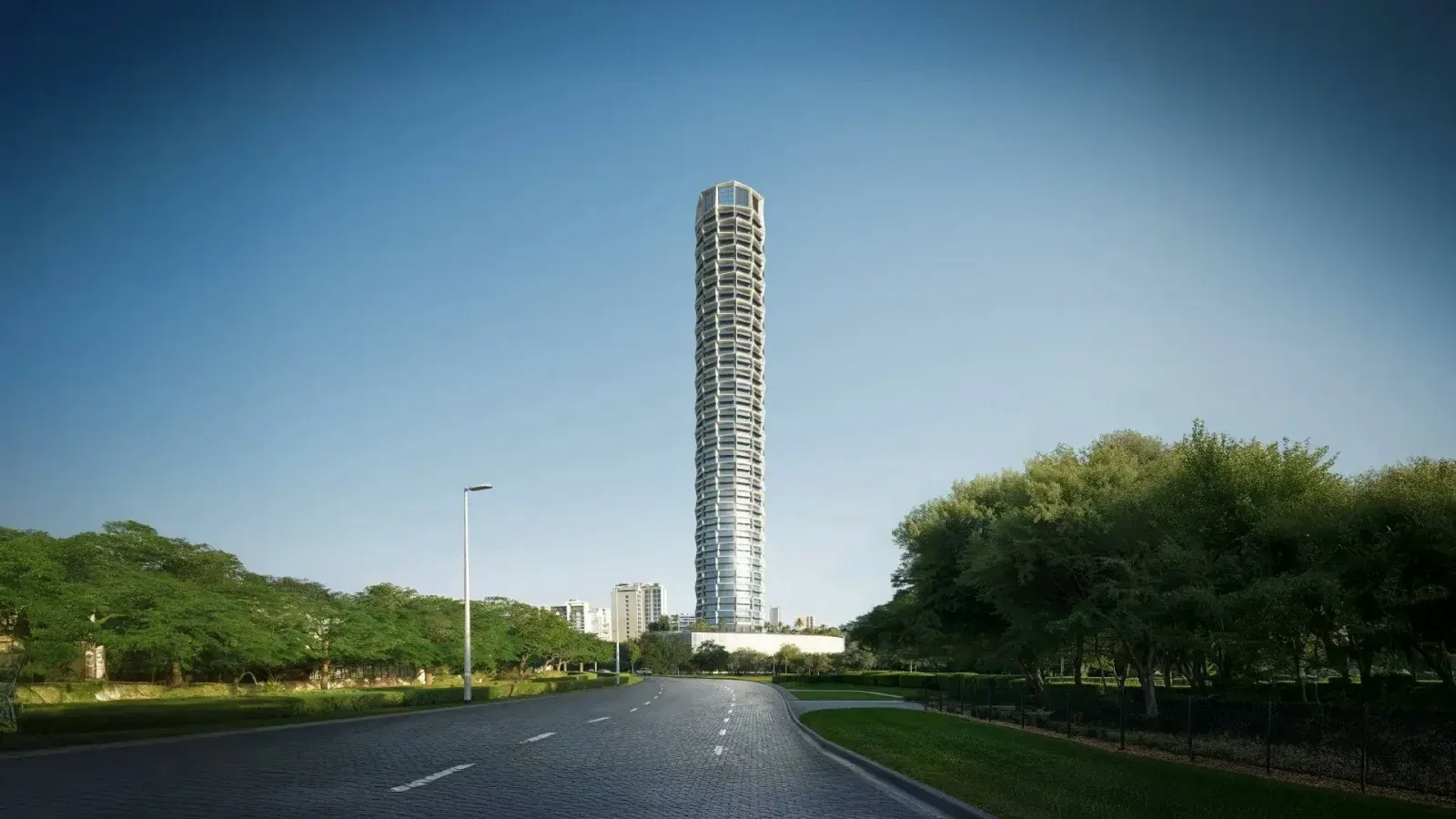

Binghatti Circle
Jumeirah Village Circle (JVC)
- Studio to 3-bedroom apartments
- Apartments
- Completion Q2 2027

Frequently asked questions
How long does it take to buy a property in Dubai?
A cash resale purchase usually completes in two to four weeks after Form F is signed; with a mortgage, allow four to eight weeks.
What are the total costs of buying property in Dubai?
On a typical resale purchase, budget about 6–7% of the price: the 4% DLD fee, trustee and title deed fees, and usually a 2% agent commission plus VAT.
Can foreigners buy property in Dubai without a visa?
Yes. Non-residents can buy freehold property in designated areas without a UAE visa.
Who pays the 4% DLD fee, buyer or seller?
By market practice the buyer pays it, although Form F can record a different arrangement.
What is Form F?
The RERA standard memorandum of understanding signed by buyer and seller on a resale purchase, setting the price, deposit and transfer date.
What is a developer NOC and why is it needed?
A no-objection certificate from the developer confirming the unit's service charges are paid. The Land Department will not transfer the property without it.
Can I buy property in Dubai from abroad?
Yes. You can complete remotely and have someone sign at the trustee office under an attested power of attorney.
Do I get a residency visa when I buy property?
Property ownership can support a residence visa if the value meets the current thresholds, including the 10-year Golden Visa for property worth at least AED 2 million.
About this article

Buyer Guides Writer
Sumi Bhore writes DXB Propedia's practical buyer and owner guides: the buying process, snagging and handover, renting out a property and the paperwork that…

Senior Editor
Khadeeja Kazi is a Senior Editor at DXB Propedia, responsible for the buyer guides and area coverage. Every guide Khadeeja signs off is checked against…
Last reviewed . Fees and rules can change; confirm current figures with the authority named in each section. Read our editorial policy or meet the team.