Dubai property guide
Buying Property in Dubai as a Foreigner
Buying Property in Dubai as a Foreigner
143 projects documented
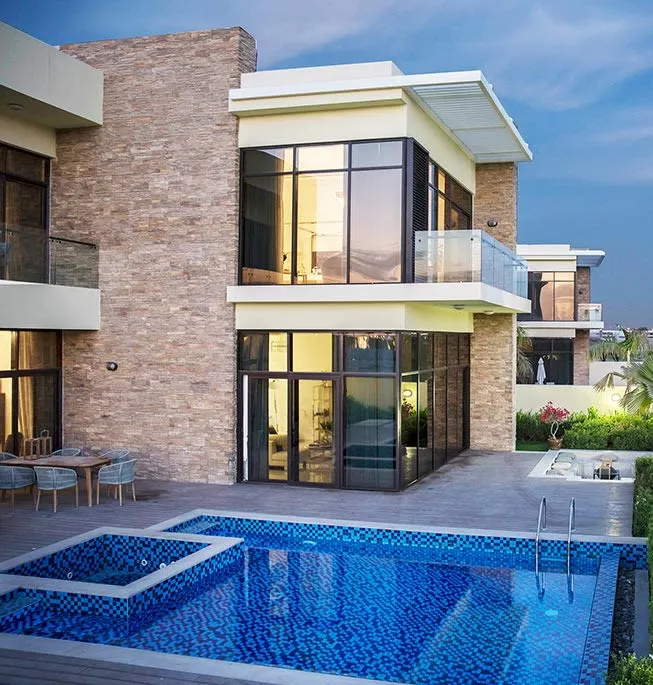


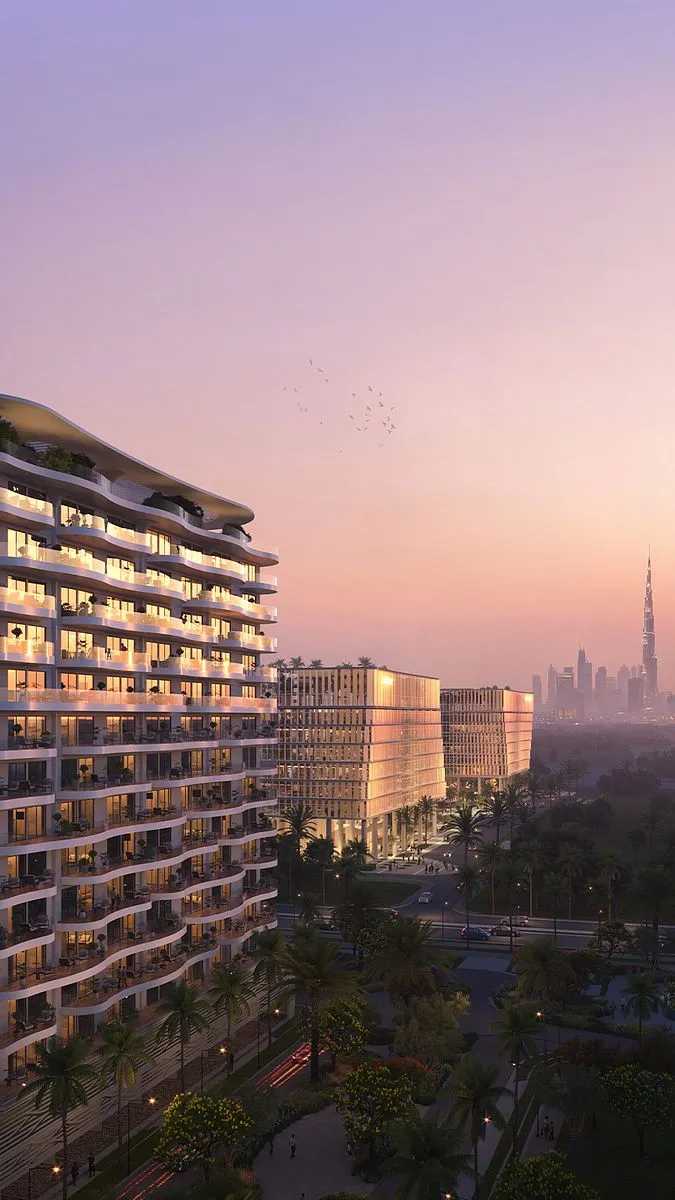
DAMAC Lagoons District, Valencia
DAMAC Lagoons
- Studio to 2-bedroom apartments
- Apartments
- Handover Q3 2029
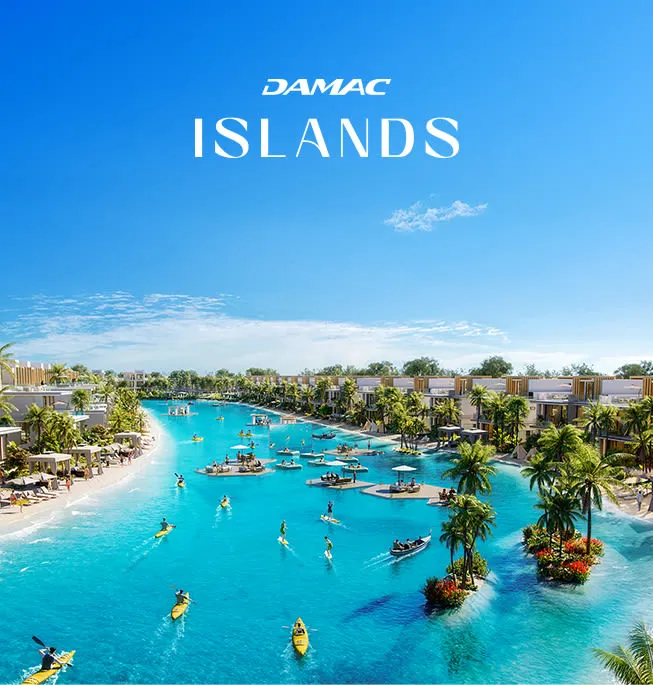
DAMAC Islands
DAMAC Islands, Dubailand
- 4 to 5-bedroom townhouses, 6 to 7-bedroom villas
- Villas, Townhouses

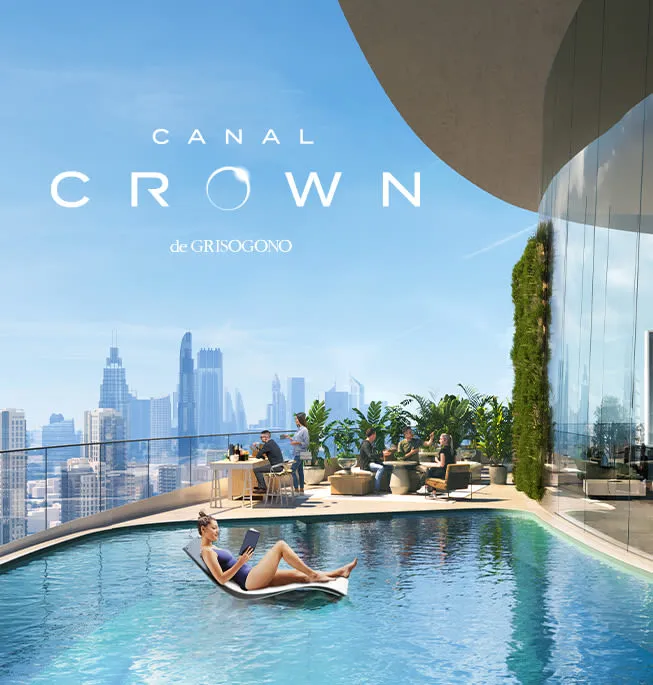
Canal Crown de GRISOGONO
Dubai Canal
- Studio to 4-bedroom apartments
- Apartments
- Handover Q4 2027
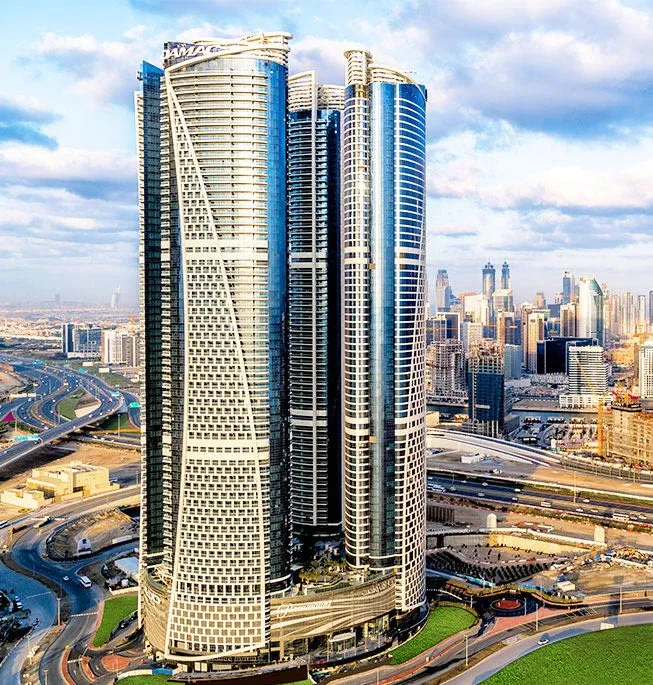
DAMAC Towers by Paramount Hotels & Resorts
Al Khail Road
- 1 to 2-bedroom apartments
- Apartments
- Completed Q3 2018
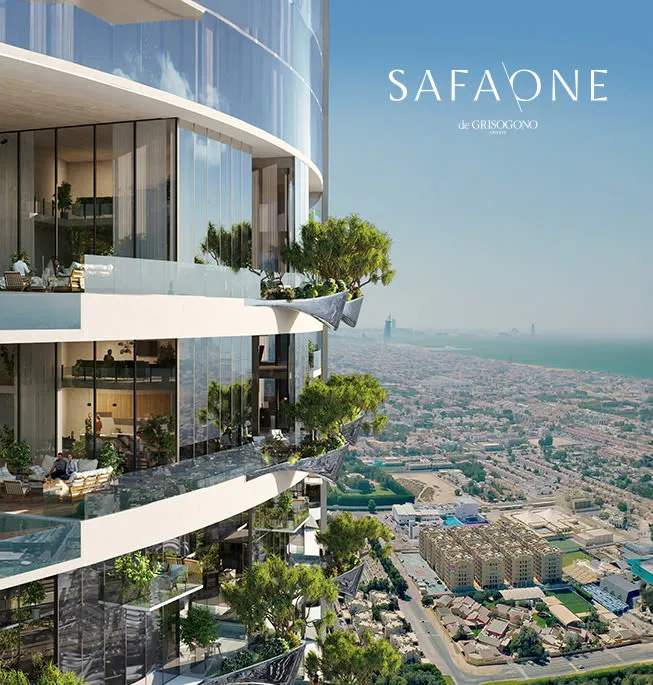
Safa One de GRISOGONO
Al Wasl, Sheikh Zayed Road
- 1 to 5-bedroom apartments
- Apartments
- Handover Q4 2026

DAMAC Bay by Cavalli
Dubai Harbour
- 1 to 3-bedroom apartments, 4 to 5-bedroom penthouses
- Apartments, Penthouses
- Handover Q3 2027

Chelsea Residences
Dubai Maritime City
- 1 to 3-bedroom apartments
- Apartments

DAMAC Casa
Al Sufouh
- 1 to 5-bedroom apartments, 1 to 2-bedroom townhouses
- Apartments, Townhouses
- Handover Q2 2028
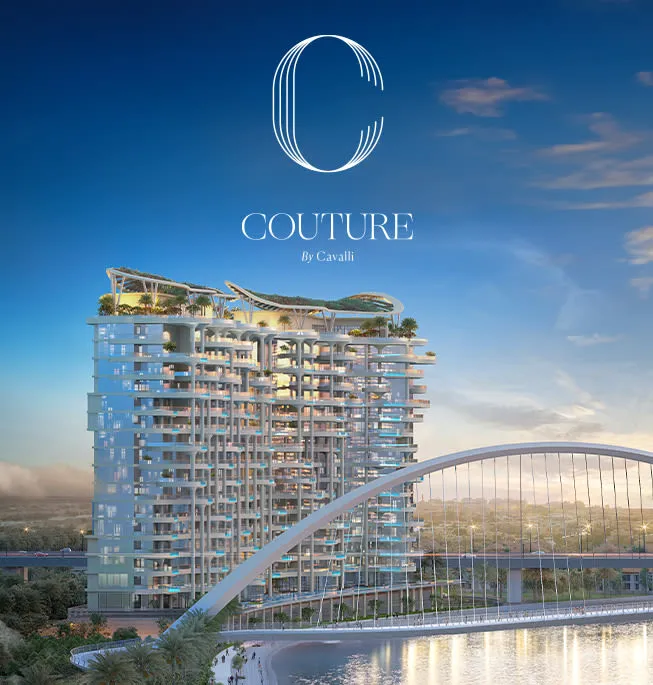
Couture by Cavalli
Al Safa, Dubai Canal
- 3 to 5-bedroom apartments, 6-bedroom penthouses
- Apartments, Penthouses
- Handover Q2 2027
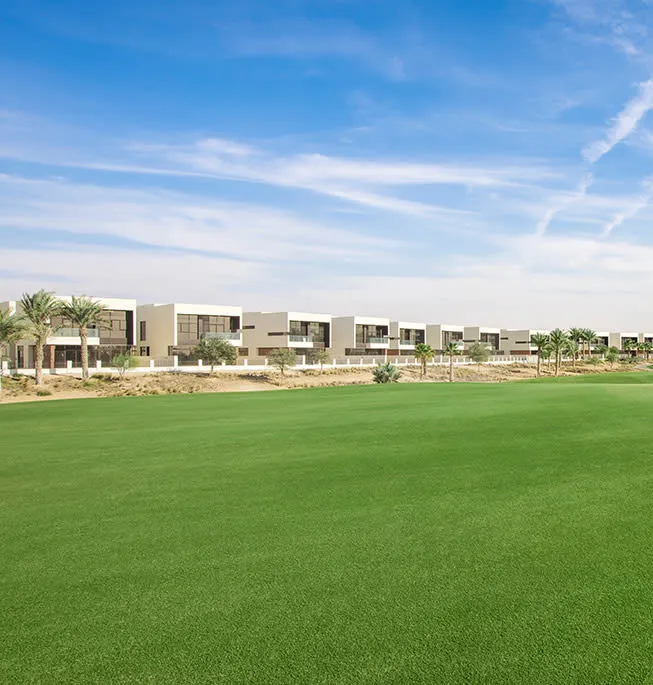
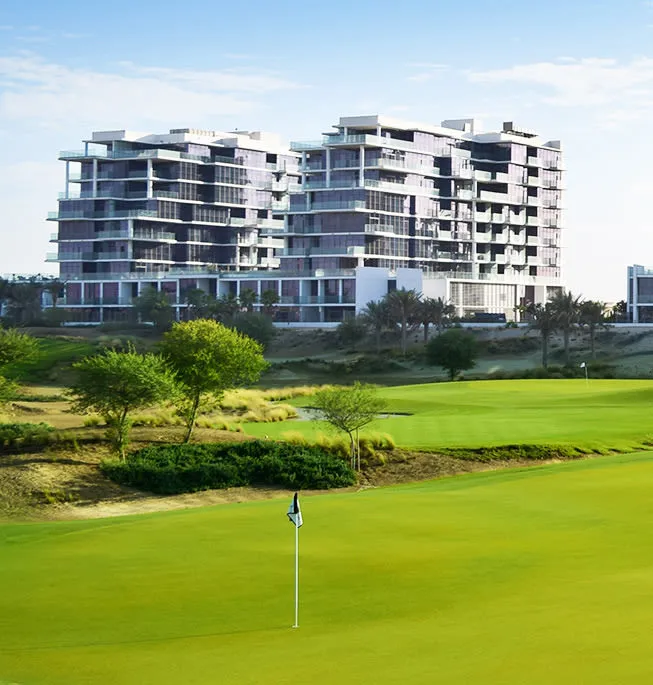
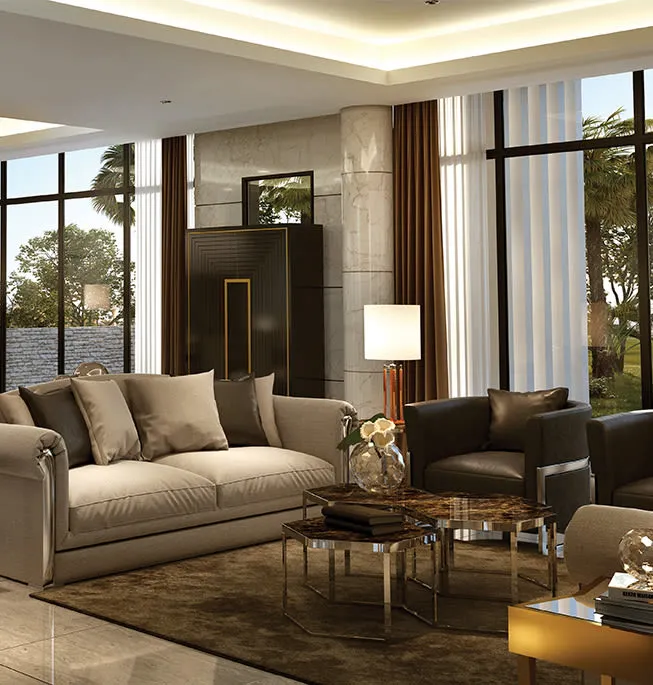

BelAir at The Trump Estates, Phase 2
DAMAC Hills
- 3 to 10-bedroom villas
- Villas
- Handover Q1 2025
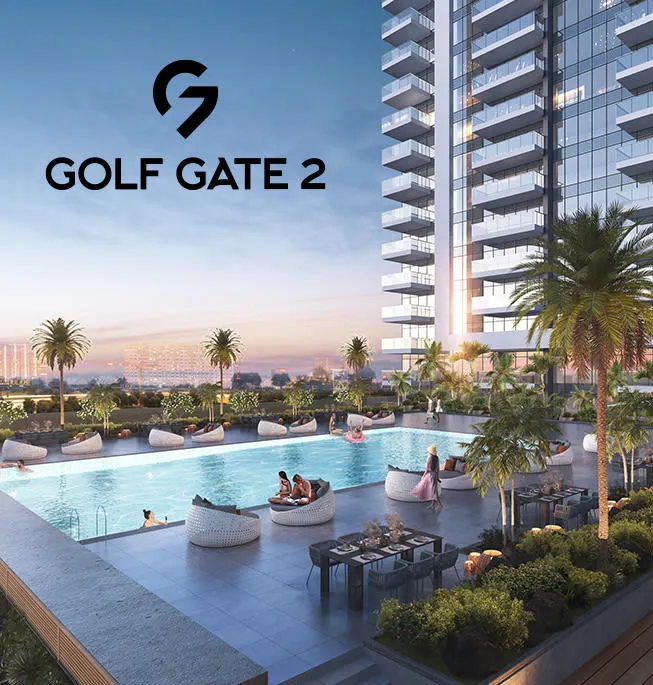
Golf Gate 2
DAMAC Hills
- 1 to 2-bedroom apartments
- Apartments
- Handover Q4 2026


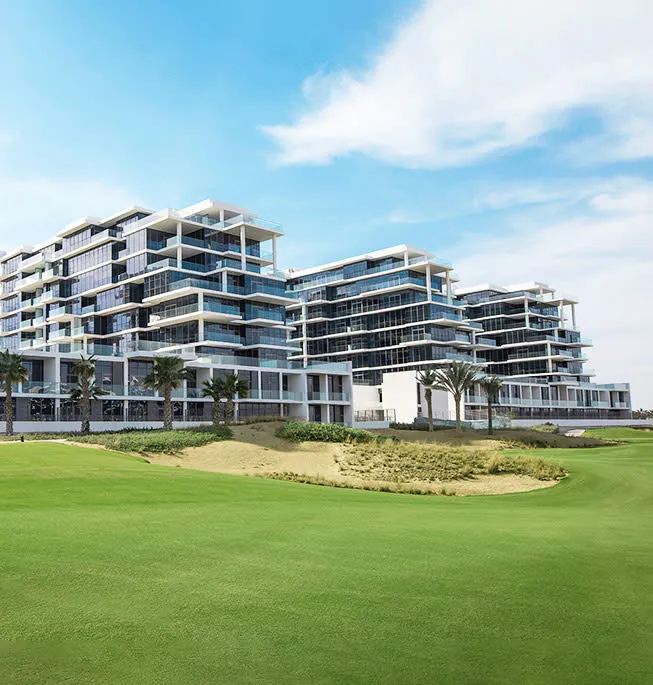
Park Town (Apartments on The Park)
DAMAC Hills
- Studio to 3-bedroom apartments
- Apartments
- Completed Q4 2017
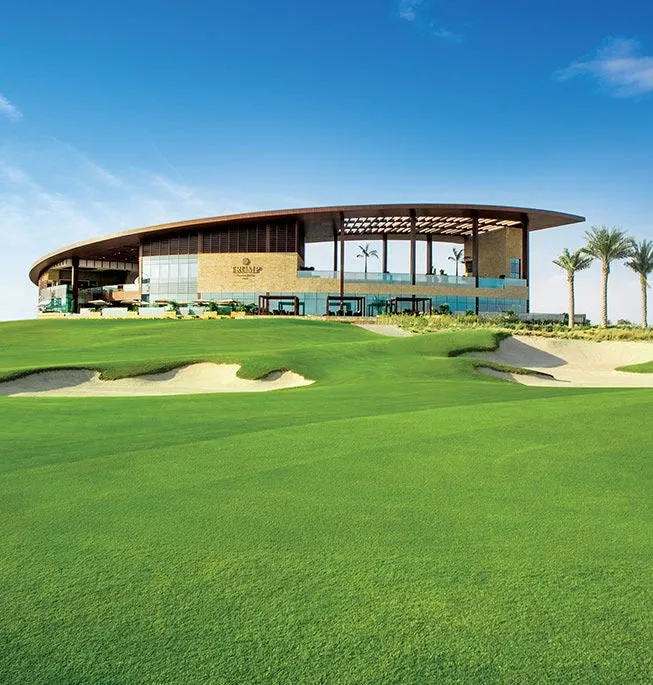
Townhouses on The Golf and The Park
DAMAC Hills
- 2 to 3-bedroom townhouses
- Townhouses

Key takeaways: Buying Property in Dubai as a Foreigner
- Foreigners can buy freehold property in the designated freehold areas of Dubai.
- The buying steps are the same as for local buyers, ending with a title deed from DLD.
- Non-resident mortgages are available but stricter than resident mortgages.
- Dubai charges no personal income tax or capital gains tax on property.
- Register a DIFC will so your Dubai property passes as you wish.
Freehold and leasehold
The first thing to understand is the difference between freehold and leasehold. Freehold means you own the property outright, with a title deed in your name, and you can sell it, rent it out or pass it on. Leasehold means you hold the property for a fixed term, usually up to 99 years, and the land stays with the freeholder.
Foreigners can buy freehold property in the designated freehold areas of Dubai. These areas cover most of the places foreign buyers look at: Dubai Marina, Downtown Dubai, Business Bay, Palm Jumeirah, Jumeirah Village Circle, Jumeirah Village Triangle, Dubai Hills Estate, DAMAC Hills, DAMAC Lagoons, Motor City, Dubai Sports City, Al Barsha, Arjan and Dubai South, among others. Outside the freehold areas, foreigners can usually only buy on a leasehold basis.
Always check the title before you buy. The title deed should say freehold, and your conveyancer can confirm the status with the Dubai Land Department. Do not rely on a listing that calls a property freehold without checking the deed.
The buying steps
The process follows the same steps for foreign and local buyers. First, choose the property and agree the terms with the seller or developer. Second, sign the sales and purchase agreement, or the memorandum of understanding for a ready resale, and pay the deposit. Third, arrange the mortgage if you need one. Fourth, obtain the No Objection Certificate from the developer. Fifth, attend the transfer at the Dubai Land Department or a trustee office, pay the fees, and receive the title deed in your name.
For off-plan property, the steps are simpler: reserve the unit, sign the sales and purchase agreement with the developer, pay the instalments into the escrow account, and register the sale through Oqood. At handover, the property is registered in your name and the title deed is issued.
You do not need to be in Dubai for every step. A power of attorney, arranged through a UAE notary or a UAE embassy abroad, lets someone act for you at the transfer. Many foreign buyers complete the purchase this way, but the power of attorney must be correctly drafted and attested.
Paying for the property
You can pay in cash or with a mortgage. UAE banks lend to foreign buyers, including non-residents, but the terms are stricter than for residents. Expect a larger deposit, a higher interest rate, and more documents, including proof of income, bank statements and a valuation. Talk to the bank before you sign anything, and get the lending terms in writing.
Payments are normally made by bank transfer or manager cheque in UAE dirhams. Keep a record of every transfer, because the Dubai Land Department and the bank may ask for the source of funds. Transfers from abroad should come from an account in your own name.
The buying costs are the same for foreign buyers: the 4 per cent transfer fee, the registration fee, the agency fee where a broker is involved, and the mortgage fees if you borrow. Budget roughly 6 to 7 per cent above the agreed amount when using a broker and a mortgage.
Visas and residence
Buying property does not automatically give you a residence visa, but it can help you get one. Property valued at AED 2 million or more can qualify you for the ten-year Golden Visa. Property of a lower value can qualify for a shorter residence visa in some cases. Check the current rules with the General Directorate of Residency and Foreigners Affairs (GDRFA) before you buy for visa reasons.
If you do not need a visa, you can own property in Dubai without living there. Many foreign owners rent their property out and visit from time to time. There is no requirement to live in Dubai to own property here.
Tax
Dubai charges no personal income tax and no capital gains tax on property for individuals. That is one of the reasons foreign buyers are drawn to the market. There is no annual property tax of the kind charged in many other countries, though owners pay an annual service charge to the owners association for shared areas.
Tax in your home country is a separate matter. Your own country may tax rental income or a gain on sale, even though Dubai does not. Take advice from a tax adviser in your home country before you buy, and keep records of the purchase amount, the fees and the rental income.
Inheritance and wills
Think about inheritance before you buy, not after. In Dubai, the DIFC Wills Service lets non-Muslim foreign owners register a will that covers their Dubai property, so it passes as they wish. Without a will, the property is distributed under the law that applies to the owner, which can be slow and uncertain.
Registering a DIFC will is a separate step from buying the property, and it carries its own fee. Many buyers arrange it at the same time as the purchase, while the documents are already in hand. If you already own property in Dubai and have no will, it is worth arranging one.
Common mistakes to avoid
The most common mistake is buying without checking the title, the service charge and the developer record. The second is signing a contract without reading the payment schedule, the handover date and the delay clause. The third is budgeting only for the agreed amount and being caught out by the fees at transfer.
Use a licensed broker and a licensed conveyancer, and get independent advice on the contract if the amount is large. A few hours of advice is a small cost next to the amount of the purchase, and it can catch problems that are hard to fix after the transfer.
Buying Property in Dubai as a Foreigner: FAQs
Can foreigners buy property in Dubai?
Yes. Foreigners can buy freehold property in the designated freehold areas, with a title deed in their own name.
What is the difference between freehold and leasehold?
Freehold means you own the property outright. Leasehold means you hold it for a fixed term, usually up to 99 years.
Do I need to live in Dubai to buy property?
No. You can own property in Dubai without living there, and you can complete the purchase through a power of attorney.
Can a foreigner get a mortgage in Dubai?
Yes, including non-residents, but the terms are stricter: a larger deposit, more documents and a higher rate than for residents.
Does buying property give me a visa?
Not automatically. Property valued at AED 2 million or more can qualify for the ten-year Golden Visa. Check the current rules with GDRFA.
Is there tax on property in Dubai?
Dubai charges no personal income tax and no capital gains tax on property for individuals. Your home country may still tax you, so take advice there.
Should I make a will for Dubai property?
Yes, if you are a non-Muslim foreign owner. The DIFC Wills Service lets you register a will covering your Dubai property.
More Dubai property guides
- Studio Apartments in Dubai
- 1 Bedroom Apartments in Dubai
- 2 Bedroom Apartments in Dubai
- 3 Bedroom Apartments in Dubai
- 4% DLD Fee Waiver in Dubai Explained
- 60/40 Payment Plan Dubai Explained
- 70/30 Payment Plan Dubai Explained
- Branded Residences in Dubai
- Cape Town vs Dubai Property Investment
- DAMAC Hills vs Dubai Hills Estate Compared
- DAMAC Lagoons vs DAMAC Hills: Which Suits You?
- DLD Fees When Buying Property in Dubai
- Dubai Property Investment Guide
- Dubai Property Payment Plans Explained
- Freehold Areas in Dubai: The Full List
- Golden Visa for Property Buyers in Dubai
- Luxury Property in Dubai: A Buyer Guide
- What Is Off-Plan Property in Dubai