Dubai property guide
Dubai Property Investment Guide
Dubai Property Investment Guide
143 projects documented
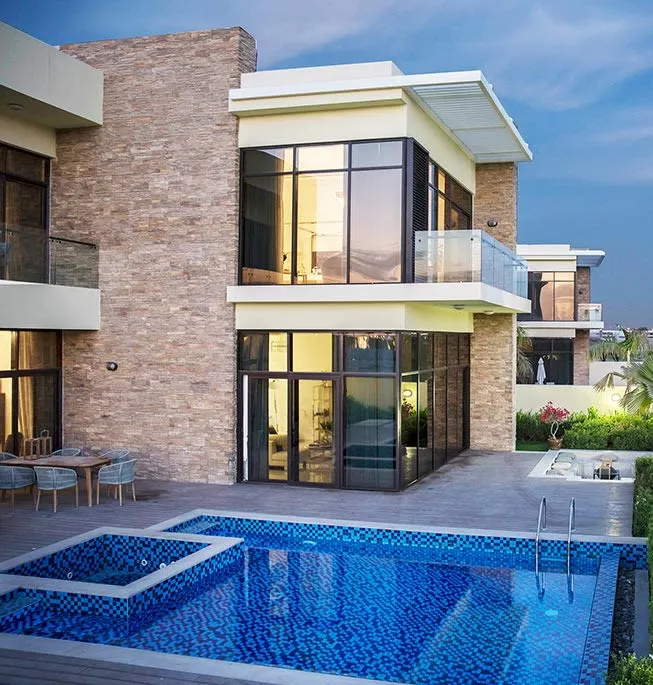


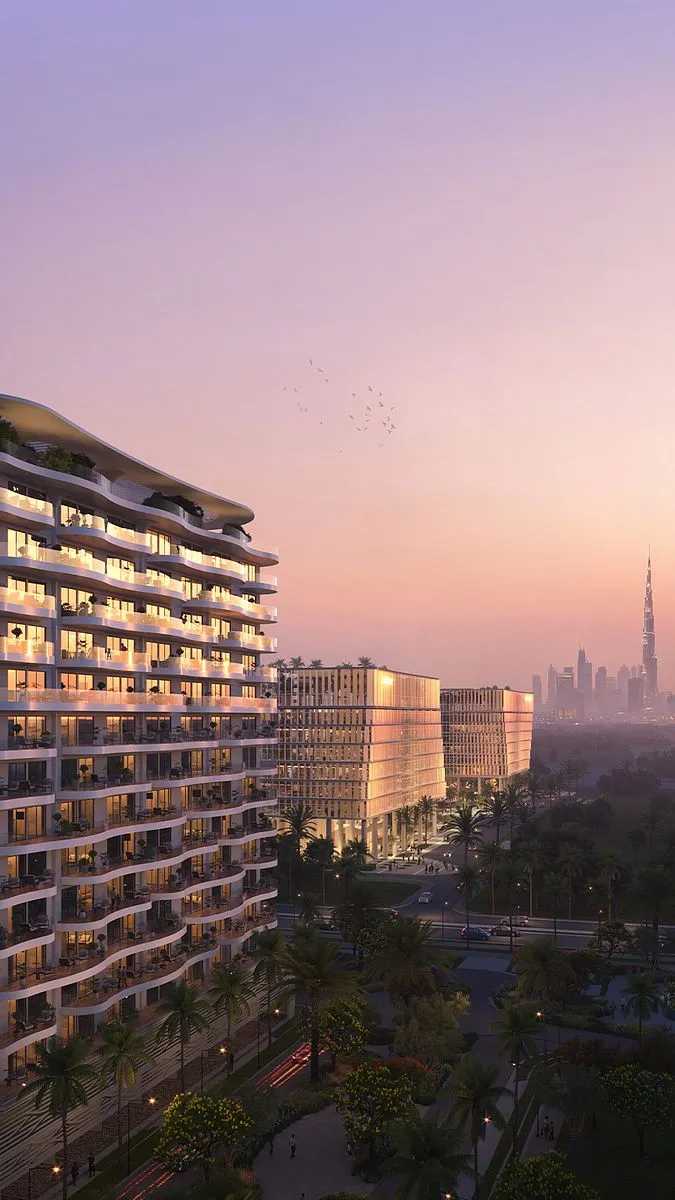
DAMAC Lagoons District, Valencia
DAMAC Lagoons
- Studio to 2-bedroom apartments
- Apartments
- Handover Q3 2029

DAMAC Islands
DAMAC Islands, Dubailand
- 4 to 5-bedroom townhouses, 6 to 7-bedroom villas
- Villas, Townhouses

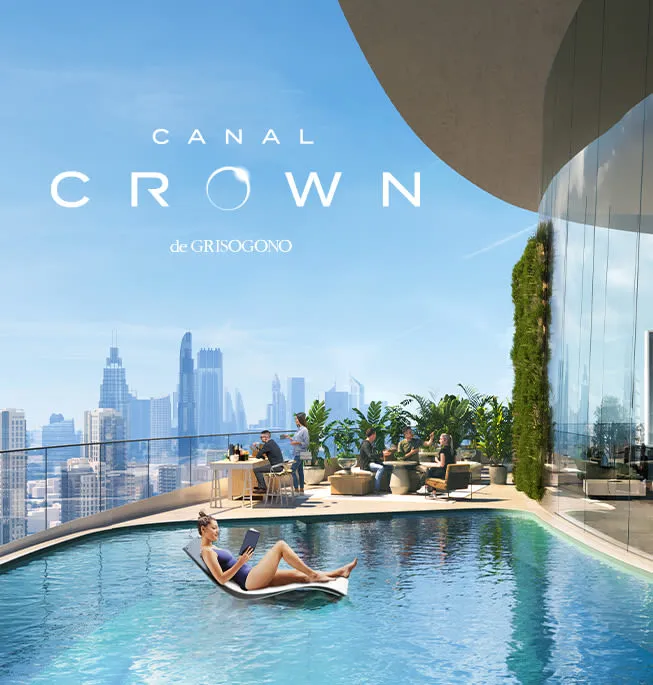
Canal Crown de GRISOGONO
Dubai Canal
- Studio to 4-bedroom apartments
- Apartments
- Handover Q4 2027
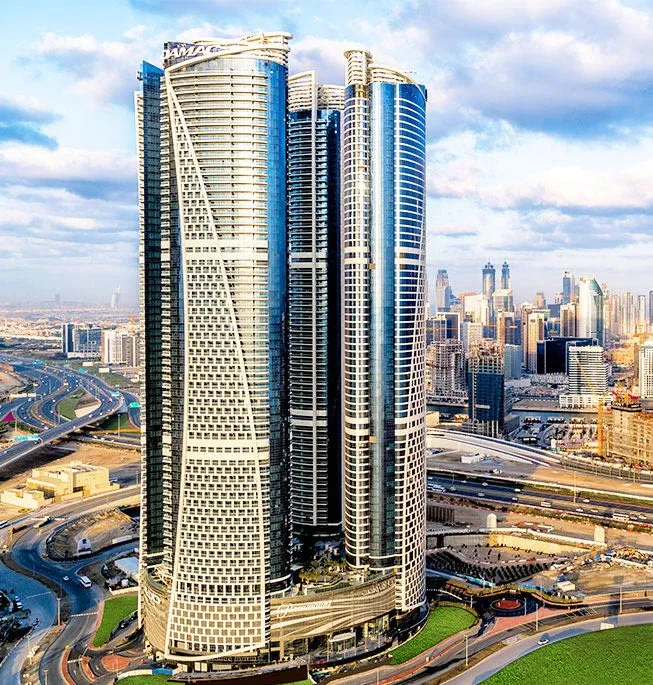
DAMAC Towers by Paramount Hotels & Resorts
Al Khail Road
- 1 to 2-bedroom apartments
- Apartments
- Completed Q3 2018
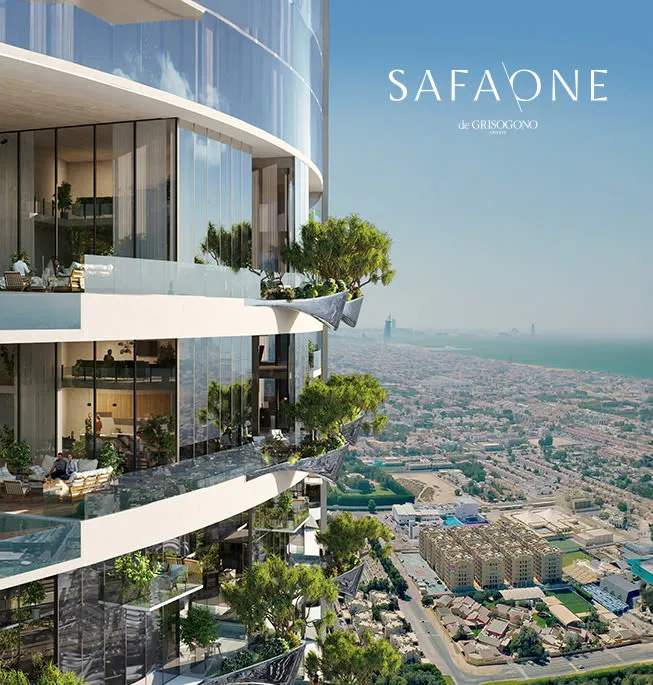
Safa One de GRISOGONO
Al Wasl, Sheikh Zayed Road
- 1 to 5-bedroom apartments
- Apartments
- Handover Q4 2026

DAMAC Bay by Cavalli
Dubai Harbour
- 1 to 3-bedroom apartments, 4 to 5-bedroom penthouses
- Apartments, Penthouses
- Handover Q3 2027

Chelsea Residences
Dubai Maritime City
- 1 to 3-bedroom apartments
- Apartments

DAMAC Casa
Al Sufouh
- 1 to 5-bedroom apartments, 1 to 2-bedroom townhouses
- Apartments, Townhouses
- Handover Q2 2028

Couture by Cavalli
Al Safa, Dubai Canal
- 3 to 5-bedroom apartments, 6-bedroom penthouses
- Apartments, Penthouses
- Handover Q2 2027
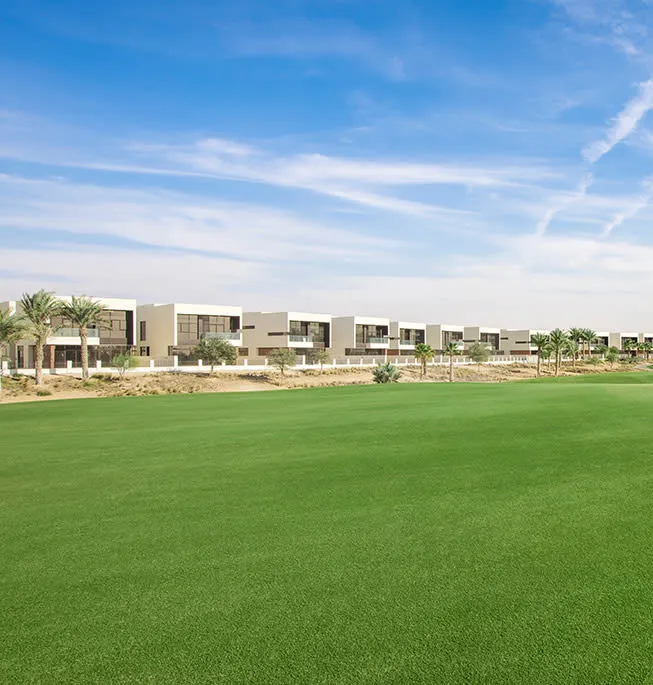
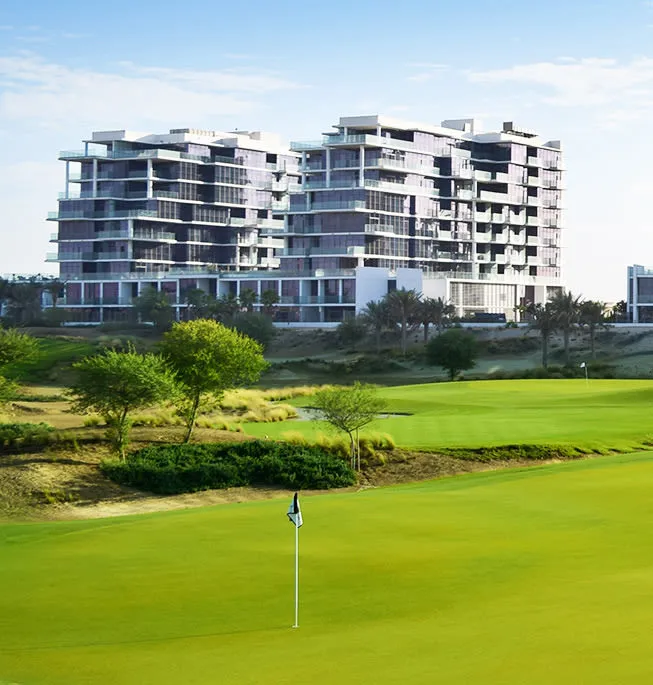


BelAir at The Trump Estates, Phase 2
DAMAC Hills
- 3 to 10-bedroom villas
- Villas
- Handover Q1 2025

Golf Gate 2
DAMAC Hills
- 1 to 2-bedroom apartments
- Apartments
- Handover Q4 2026


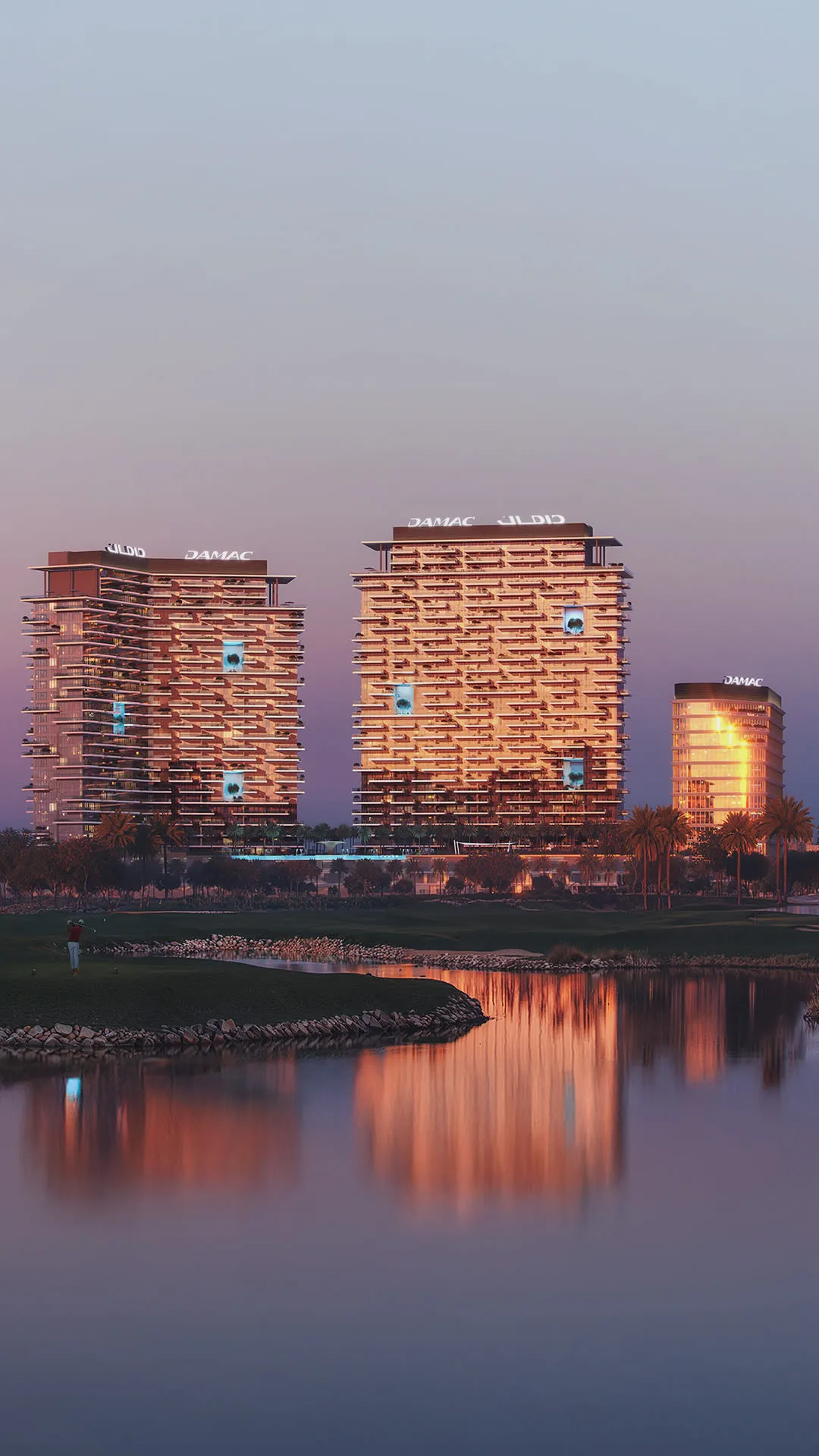
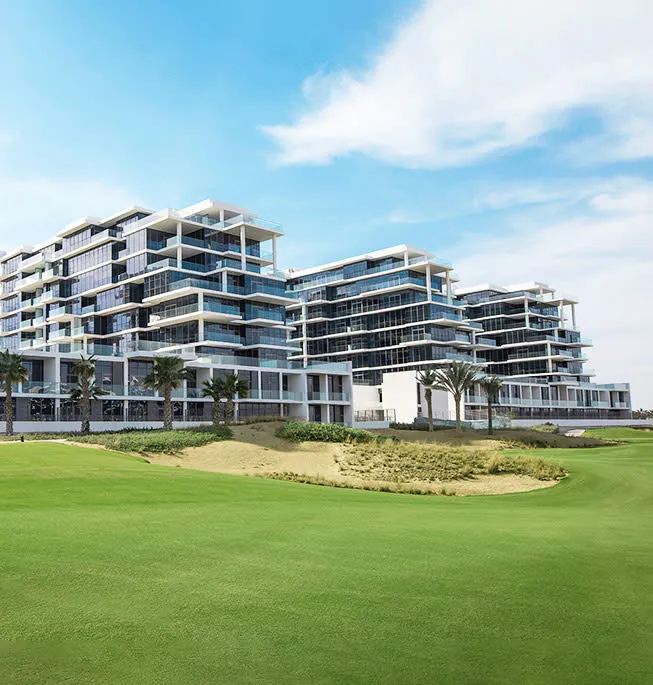
Park Town (Apartments on The Park)
DAMAC Hills
- Studio to 3-bedroom apartments
- Apartments
- Completed Q4 2017
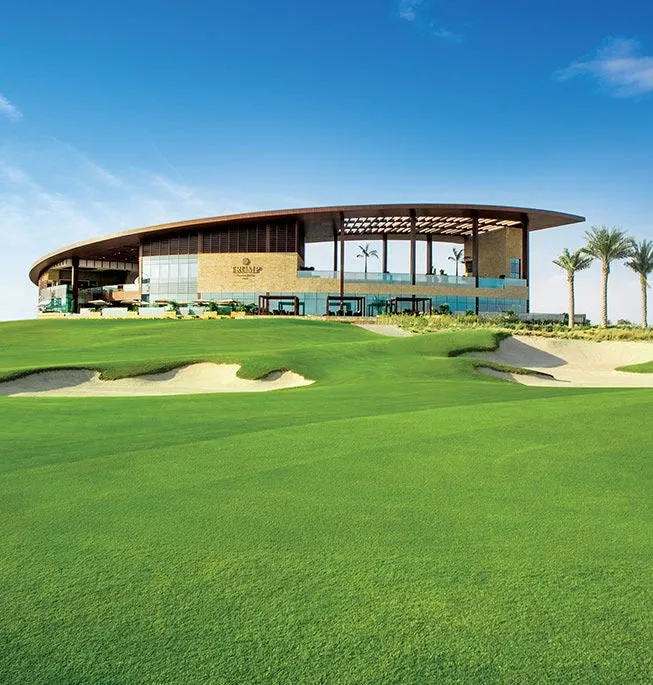
Townhouses on The Golf and The Park
DAMAC Hills
- 2 to 3-bedroom townhouses
- Townhouses
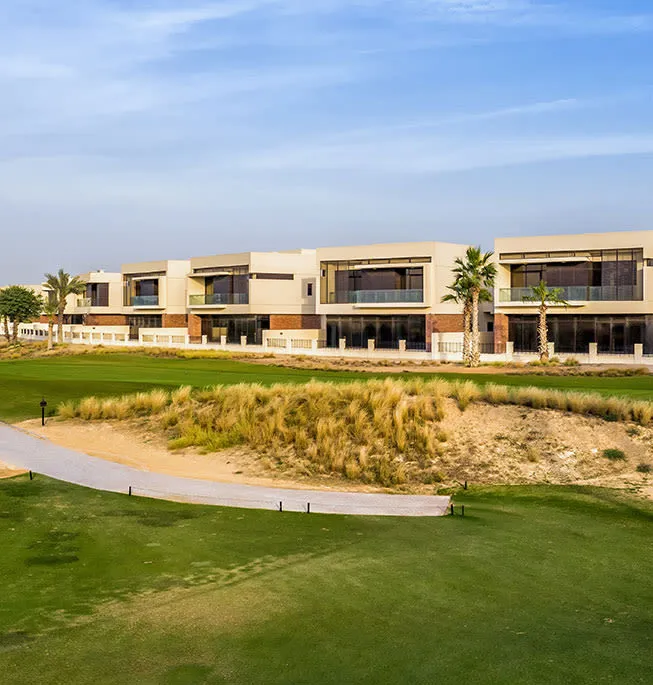

Key takeaways: Dubai Property Investment Guide
- Rental return is rent plus any change in value; start with the rent, not with a guess about values.
- Gross yield is annual rent over the total amount paid; net yield subtracts service charges, voids and letting costs.
- Budget roughly 6 to 7 per cent above the agreed amount when using a broker and a mortgage.
- Indian residents buy through the LRS, up to 250,000 US dollars per person per financial year.
- South African residents use the Reserve Bank allowances, with SARS clearance for the larger one.
- Buying property does not itself give a residence visa; the Golden Visa is a separate application.
How rental yield works
Rental yield is the annual rent expressed as a percentage of the total amount you paid. The formula is simple: divide the annual rent by the total amount paid, including the buying costs, and multiply by 100. So if the annual rent equals 6 per cent of the total amount paid, the gross yield is 6 per cent: arithmetic, not a promise.
Gross yield is the starting point. Net yield is the figure that matters, and it is always lower. From the rent you must subtract the annual service charge, the letting agent fee, the cost of finding a tenant, any empty weeks between tenants, and maintenance. Service charges are set per square foot and vary widely between buildings, so two homes with the same rent can have very different net yields. Brochure yields are usually gross: they often leave out the service charge and the empty weeks.
The costs of buying
The largest buying cost is the Dubai Land Department transfer fee, set at 4 per cent of the property value and normally paid by the buyer when the property is registered in their name. Some developers offer to cover this fee on off-plan launches, but the offer must be written into the sales and purchase agreement to be binding.
Other costs add up. If you buy through a broker, the agency fee is usually 2 per cent of the property value plus VAT on the fee. The registration fee for the title deed is a small fixed amount. If you borrow, the mortgage registration fee is 0.25 per cent of the loan amount plus a small fixed administrative charge, and the bank charges an arrangement fee and a valuation fee. Taken together, a buyer using a broker and a mortgage should budget roughly 6 to 7 per cent above the agreed amount, plus the fixed fees, and every fee belongs in the yield calculation.
Off-plan or ready
Ready property is finished, you can inspect it, and you can let it out straight after transfer, so the rent starts sooner. Off-plan property is bought before or during construction, with staged payments, and you cannot let it out until handover, so the rent starts later, but the entry cost is spread over time and you have first choice of units.
Off-plan payments go into a project escrow account supervised by RERA, and the sale is registered through Oqood with the Dubai Land Department. Payment plans such as 60/40 and 70/30 describe how much is paid during construction and how much is due at handover, and some plans continue after handover. Our guides to off-plan property and to Dubai property payment plans explain both in full. A ready home earns rent from the first month; an off-plan home ties up instalments until handover, which can be late.
If you are buying from India
Indian residents can buy property abroad under the Reserve Bank of India Liberalised Remittance Scheme, known as LRS. Each resident individual can remit up to 250,000 US dollars per financial year, which runs from April to March, for permitted purposes including buying immovable property abroad. Family members can pool their limits to buy one property, but only if each person who contributes is also a co-owner. The remittance must go through an authorised dealer bank with the purpose code for overseas property.
Resident Indians cannot take a mortgage from a foreign bank to fund the purchase: it has to be self-funded through LRS, apart from narrow exceptions. Tax collected at source also applies above a set annual threshold, so confirm the current rate with your bank. Indian tax still applies at home: rental income and any gain on a later sale must be reported in your Indian income tax return, and the overseas property must be disclosed under the foreign asset rules. Dubai itself charges no personal income tax and no capital gains tax on property for individuals, but the Indian tax position still applies.
If you are buying from South Africa
South African residents move money abroad under the allowances set by the South African Reserve Bank. There are two: a single discretionary allowance needing no tax clearance, and a foreign investment allowance needing a tax compliance approval from the South African Revenue Service. As of 2026 the discretionary allowance is 2 million rand per person per calendar year and the foreign investment allowance is 10 million rand per person per calendar year. Amounts above the allowances need Reserve Bank approval through an authorised dealer bank; confirm the current limits with your bank, because they are set each year.
Currency matters more for a South African buyer than for most others. The rand floats, so its value against the dollar moves. The UAE dirham is pegged to the US dollar at a fixed rate, a peg the Central Bank of the UAE has held since 1997. That means rent earned in dirhams tracks the dollar: when the rand weakens, the same rent converts into more rand and the purchase costs more rand, and when it strengthens, the reverse is true. Plan for both directions. South African tax still applies at home: rental income must be declared to the South African Revenue Service, and a gain on sale is taxed in South Africa, so keep records of the purchase amount, the fees and the rent.
Risks and checks before you buy
Check five things before you commit. First, the developer and the project: RERA registration, the escrow account and the construction record. Second, the contract: the payment schedule, the handover date, the delay clause and the resale rule. Third, the title: confirm the property is freehold and the deed is in order. Fourth, the running costs: the service charge history and what it covers. Fifth, the area: the master plan for neighbouring plots and whether the view you are paying for can be built out.
Then work out the net yield on paper, with a realistic rent, the full service charge, an allowance for empty weeks and the letting costs. If the numbers only work with the highest rent in the area and no empty weeks, the investment is thinner than it looks. Buying property does not itself give a residence visa; owners of property above a set value can apply for the ten-year Golden Visa — see our Golden Visa guide. Take tax advice at home before you buy: the tax position in India or South Africa is part of the return.
Dubai Property Investment Guide: FAQs
How is rental yield worked out in Dubai?
Divide the annual rent by the total amount paid, including the buying costs, and multiply by 100. That gives the gross yield. Subtract the service charge, letting fees, empty weeks and maintenance to get the net yield.
Is off-plan or ready property better for investors?
Ready property earns rent from the first month and you can inspect it. Off-plan spreads the cost over time and offers first choice of units, but earns nothing until handover and can be delayed. It depends on your timing.
Can Indians buy property in Dubai?
Yes. Indian residents buy through the Reserve Bank of India Liberalised Remittance Scheme, up to 250,000 US dollars per person per financial year, through an authorised dealer bank. Resident Indians cannot take a foreign mortgage for the purchase.
Can South Africans buy property in Dubai?
Yes. South African residents use the Reserve Bank allowances to move funds abroad, with tax clearance from the South African Revenue Service for the larger allowance. Confirm the current limits with your bank before you transfer.
Does buying property in Dubai give me a visa?
Not by itself. Owners of property above a set value can apply for the ten-year Golden Visa. See our Golden Visa guide for property buyers, and confirm the current rules with GDRFA.
What is the biggest risk in Dubai property investment?
Paying for a return that only works on paper: the highest rent in the area, no empty weeks, and the service charge left out. Work out the net yield yourself with realistic figures before you buy.
More Dubai property guides
- Studio Apartments in Dubai
- 1 Bedroom Apartments in Dubai
- 2 Bedroom Apartments in Dubai
- 3 Bedroom Apartments in Dubai
- 4% DLD Fee Waiver in Dubai Explained
- 60/40 Payment Plan Dubai Explained
- 70/30 Payment Plan Dubai Explained
- Branded Residences in Dubai
- Buying Property in Dubai as a Foreigner
- Cape Town vs Dubai Property Investment
- DAMAC Hills vs Dubai Hills Estate Compared
- DAMAC Lagoons vs DAMAC Hills: Which Suits You?
- DLD Fees When Buying Property in Dubai
- Dubai Property Payment Plans Explained
- Freehold Areas in Dubai: The Full List
- Golden Visa for Property Buyers in Dubai
- Luxury Property in Dubai: A Buyer Guide
- What Is Off-Plan Property in Dubai