
Como Residences
Palm Jumeirah
- 2 to 7-bedroom apartments and penthouses
- Apartments, Penthouses
Nakheel
View project
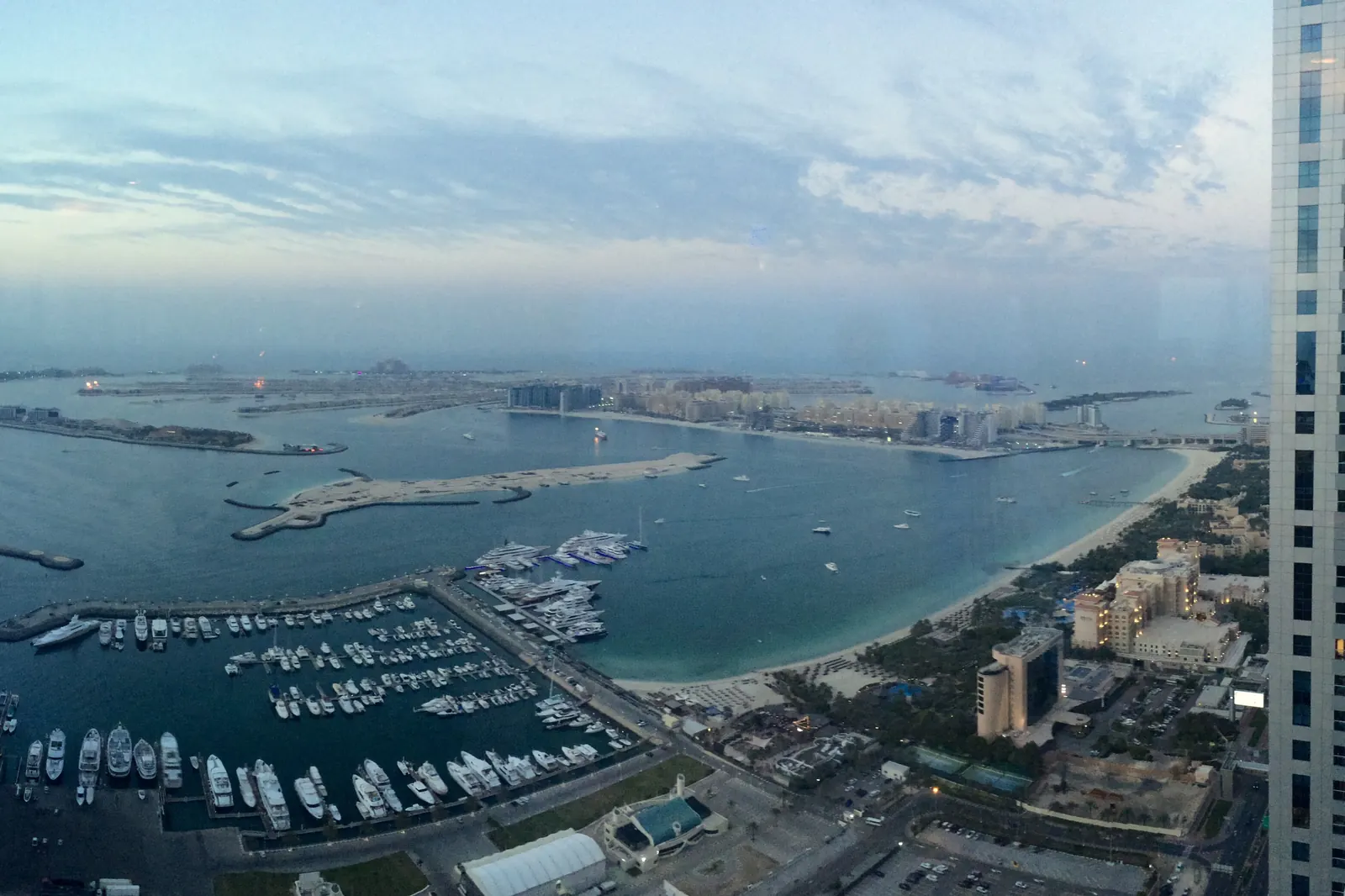
Photo: kallerna · CC0 · Wikimedia Commons
Dubai area guide
37 projects · 20 developers
37 projects documented
Palm Jumeirah
Frond N, Palm Jumeirah
Palm Jumeirah
Palm Jumeirah
Palm Jumeirah
Palm Jumeirah
Palm Jumeirah
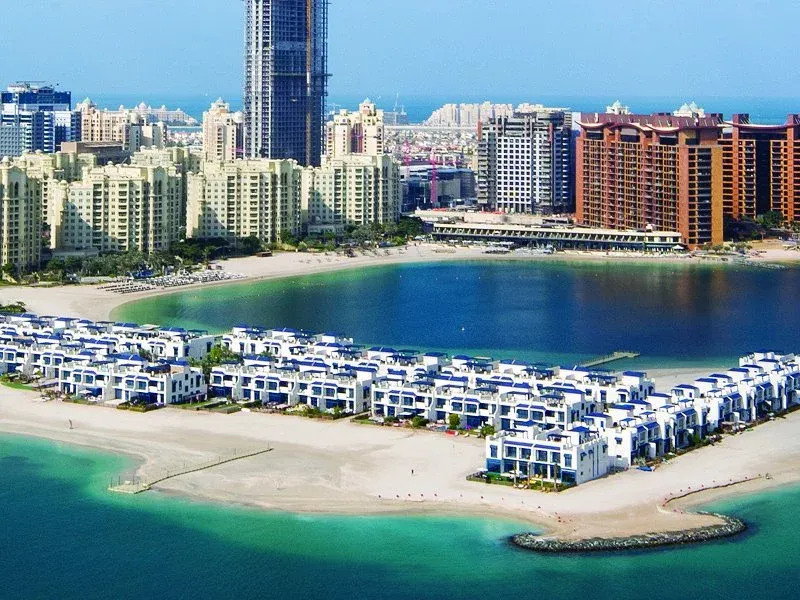
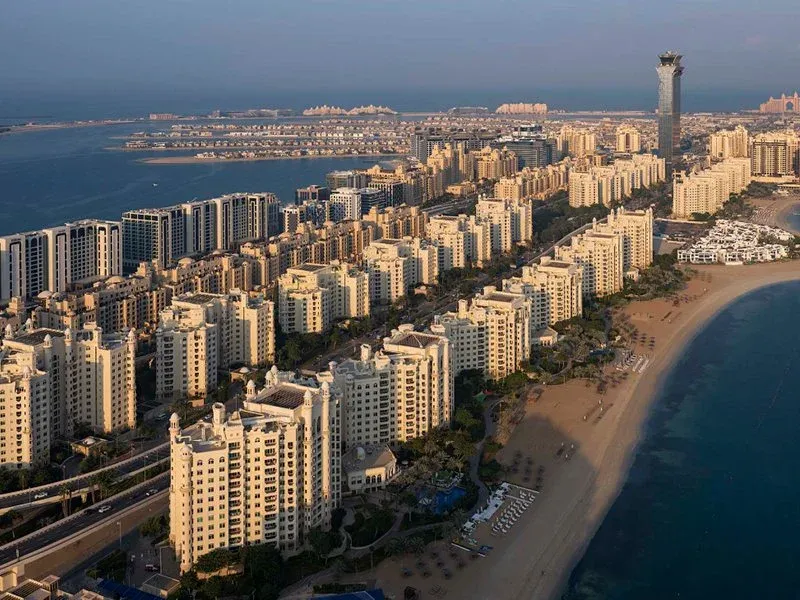
Palm Jumeirah is the best-known of Dubai's artificial islands: a palm-shaped archipelago reclaimed from the Arabian Gulf by Nakheel, joined to the mainland at Al Sufouh. The island is made up of a central trunk, sixteen fronds and an outer crescent that acts as a breakwater. More than 25,000 people lived there in 2022, alongside some of the city's most famous resort hotels.
It is part of the wider Palm Islands programme, which also includes Palm Jebel Ali and Dubai Islands, aimed at extending Dubai's coastline.
The island is reached from Sheikh Zayed Road (E11) via the Palm Jumeirah interchange, close to Dubai Marina, JBR and Dubai Media City. An underwater tunnel links the trunk to the crescent.
The island offers three distinct ways of living:
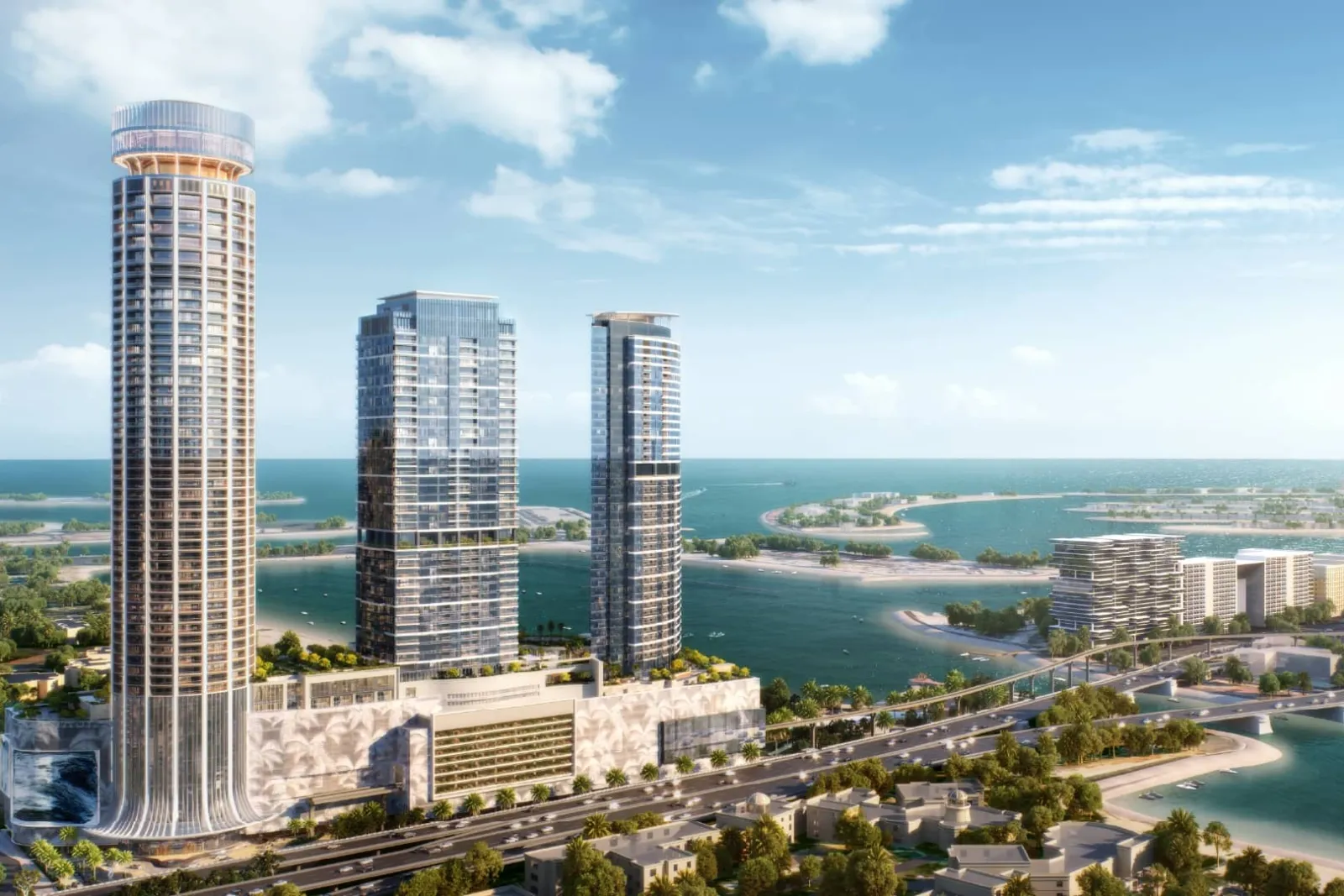
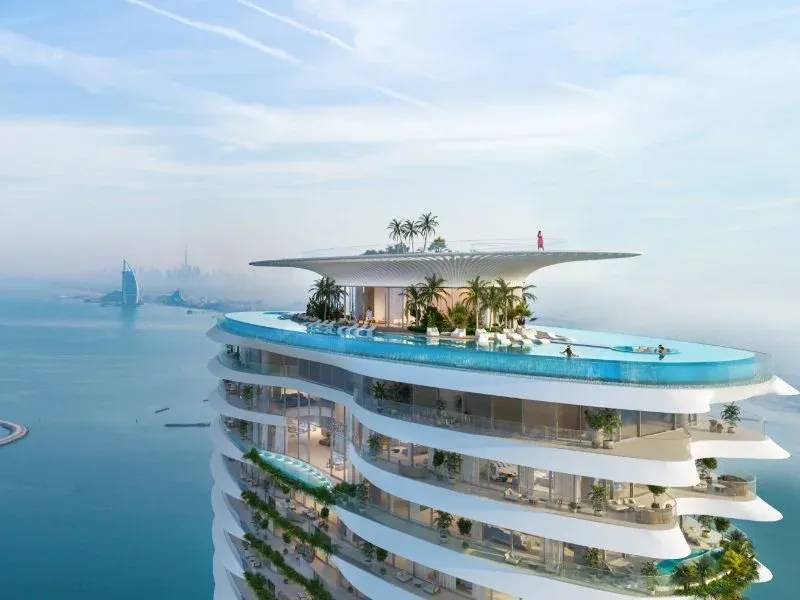
Penthouses in the island's newer towers offer panoramic sea and skyline views. See our penthouse guide for what to check.
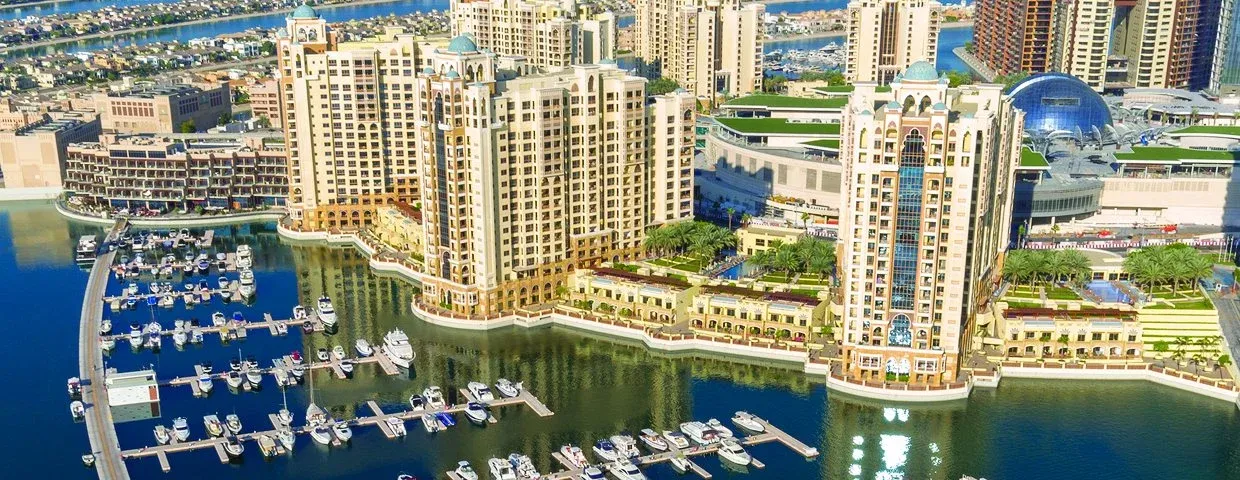
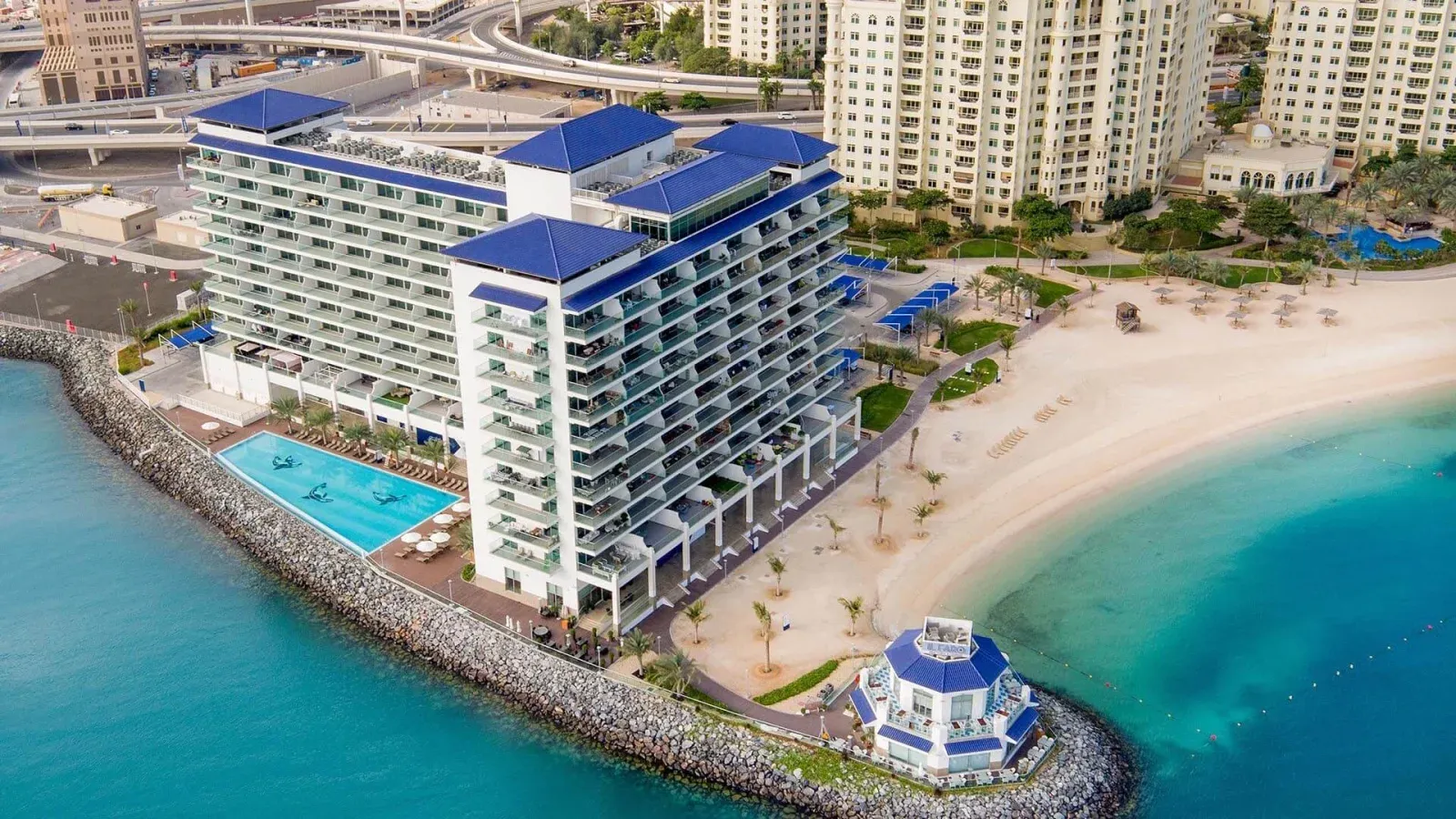
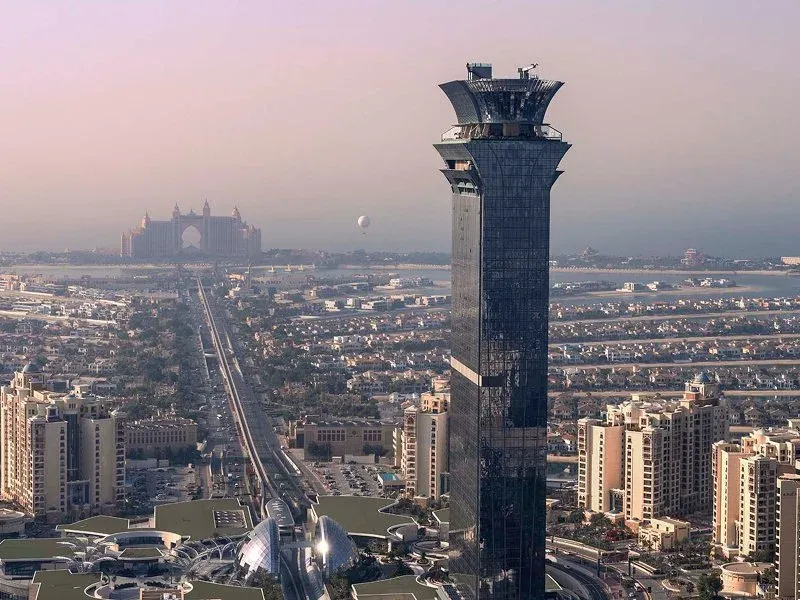
Life on the Palm centres on the beach, the waterfront and the island's resort hotels. Atlantis The Palm, with Aquaventure Waterpark and The Lost Chambers Aquarium, sits at the top of the island. The Pointe is a waterfront dining destination facing Atlantis, Palm Jumeirah Mall (formerly Nakheel Mall) and Golden Mile Galleria provide shopping and supermarkets, and the Palm Jumeirah Boardwalk on the crescent is popular for walking and running. Al Ittihad Park offers green space along the trunk.
Nurseries operate on the island, and schools in Al Sufouh, Dubai Marina and Al Barsha are a short drive away. Medical centres and clinics, including some inside Palm Jumeirah Mall, serve residents on the island.
The Palm suits buyers looking for beachfront living, from families wanting a frond villa with a private beach to apartment owners who want resort facilities on their doorstep. It is also popular with holiday-home owners and investors targeting high-end short-term rentals.
Yes. The trunk, the crescent road, the Palm Jumeirah Boardwalk, malls, restaurants and hotels are open to visitors. The fronds are residential, and many beaches belong to hotels, beach clubs or private homes, so access to the sand depends on where you go.
For buyers who want beachfront living and resort facilities, it is one of the most desirable addresses in Dubai. Frond villas offer private beaches, and trunk apartments give quick access to malls and the monorail. Costs are at the top end of the market, and traffic at the island's entry points can build up at peak times.
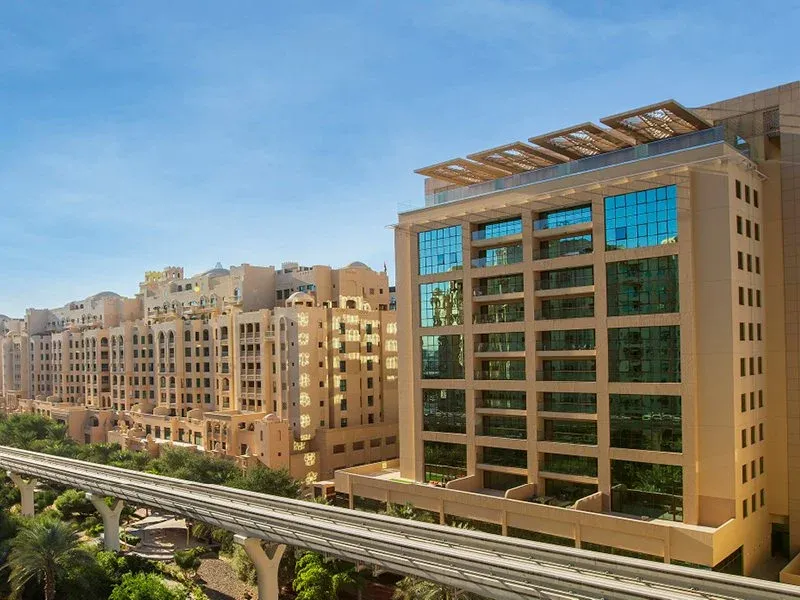
There is no metro station on the island. The Palm Monorail runs along the trunk from Gateway Station, which connects with the Dubai Tram at Al Sufouh; the tram in turn links to Red Line stations near Dubai Marina.
Dubai Marina offers more choice of apartments at lower prices, plus metro access and a busy promenade. Palm Jumeirah offers beachfront villas and apartments, more privacy and a resort atmosphere at a premium.
Palm Jebel Ali is a second, larger palm island further south, being developed by Nakheel. Palm Jumeirah is complete and established; Palm Jebel Ali is a long-term project still being built.
Palm Jumeirah was developed by Nakheel, the master developer behind Dubai's Palm Islands.
By car via Sheikh Zayed Road, or by the Palm Monorail, which runs along the trunk from Gateway Station to Atlantis and connects with the Dubai Tram.
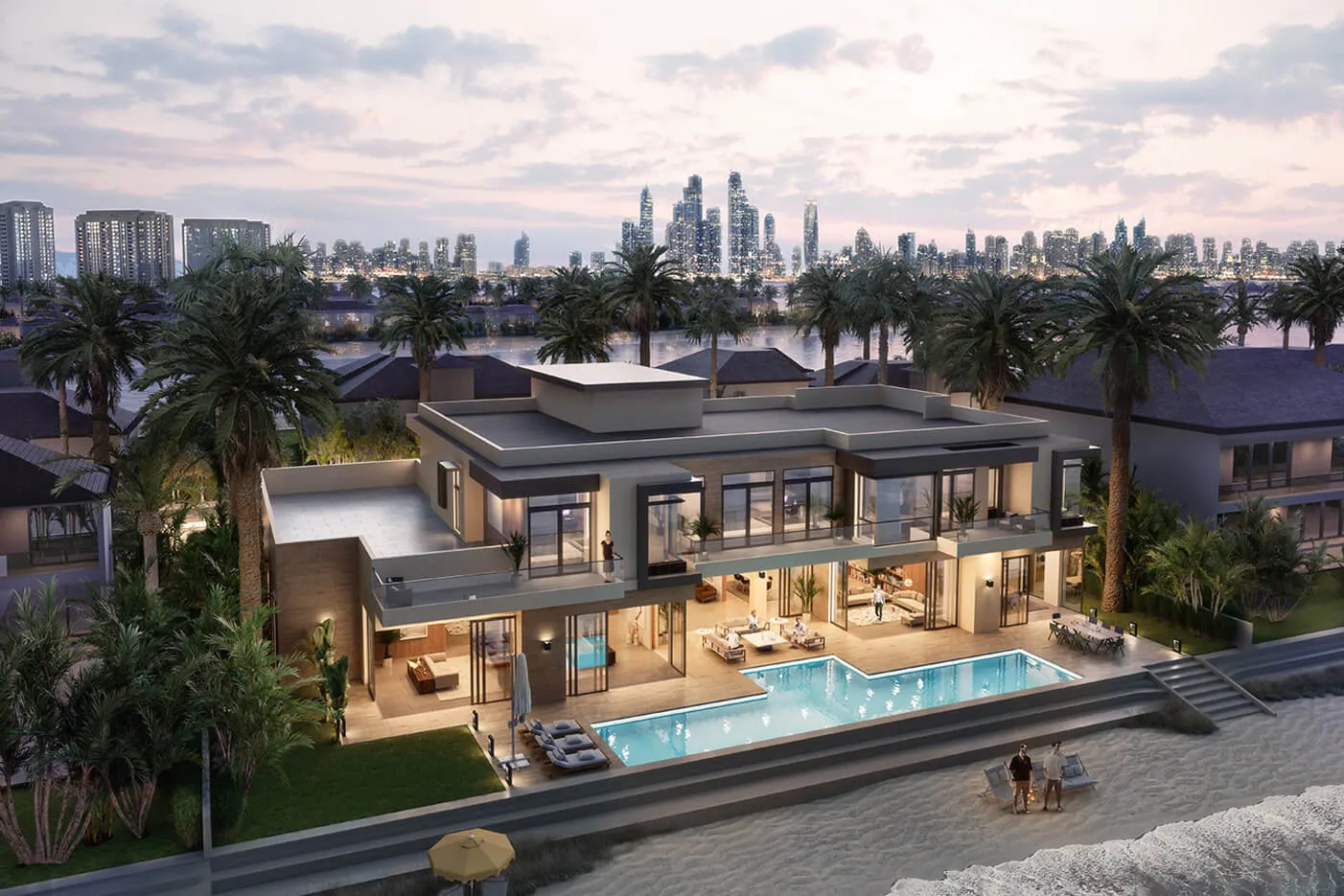
The fronds are lined with villas and garden homes, most with private beach access.
Yes. Palm Jumeirah is a freehold area open to buyers of all nationalities.
Yes. It is an artificial island reclaimed from the sea by Nakheel.
Yes. Palm Jumeirah Mall was formerly known as Nakheel Mall.
Yes. Palm Jumeirah is freehold and open to buyers of all nationalities.