Dubai property guide
Cape Town vs Dubai Property Investment
Cape Town vs Dubai Property Investment
143 projects documented
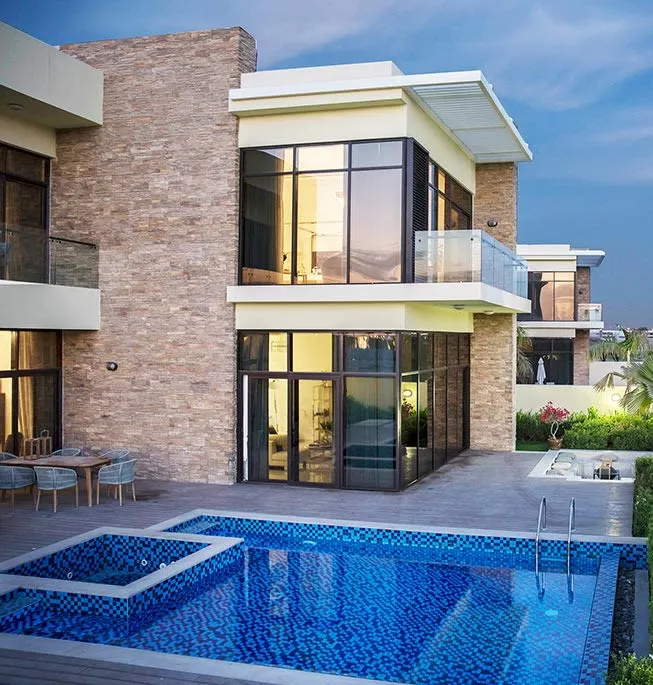



DAMAC Lagoons District, Valencia
DAMAC Lagoons
- Studio to 2-bedroom apartments
- Apartments
- Handover Q3 2029
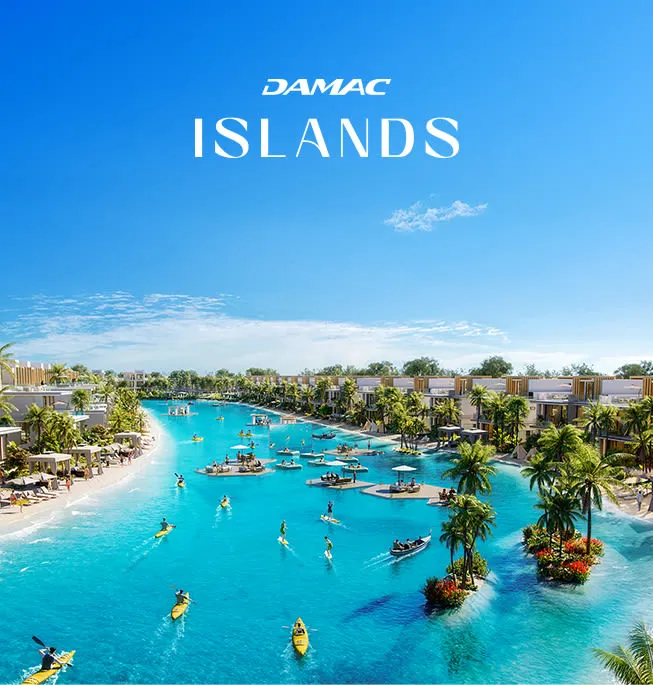
DAMAC Islands
DAMAC Islands, Dubailand
- 4 to 5-bedroom townhouses, 6 to 7-bedroom villas
- Villas, Townhouses

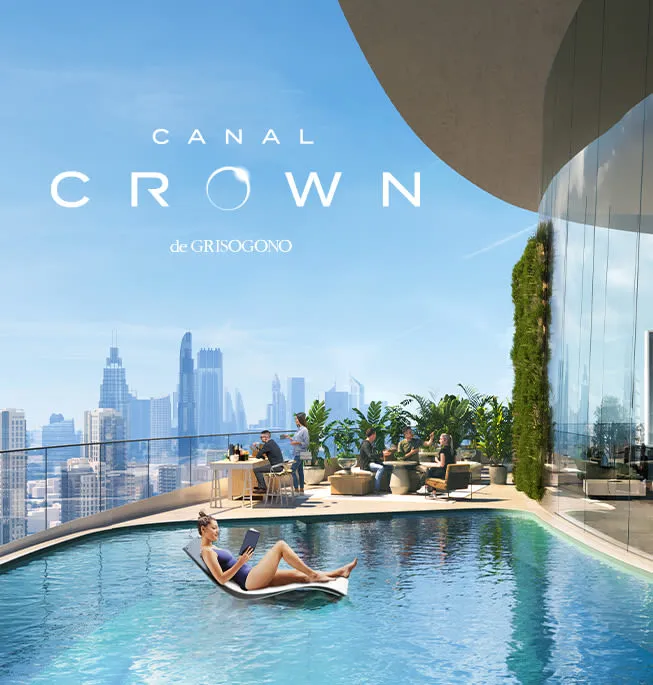
Canal Crown de GRISOGONO
Dubai Canal
- Studio to 4-bedroom apartments
- Apartments
- Handover Q4 2027
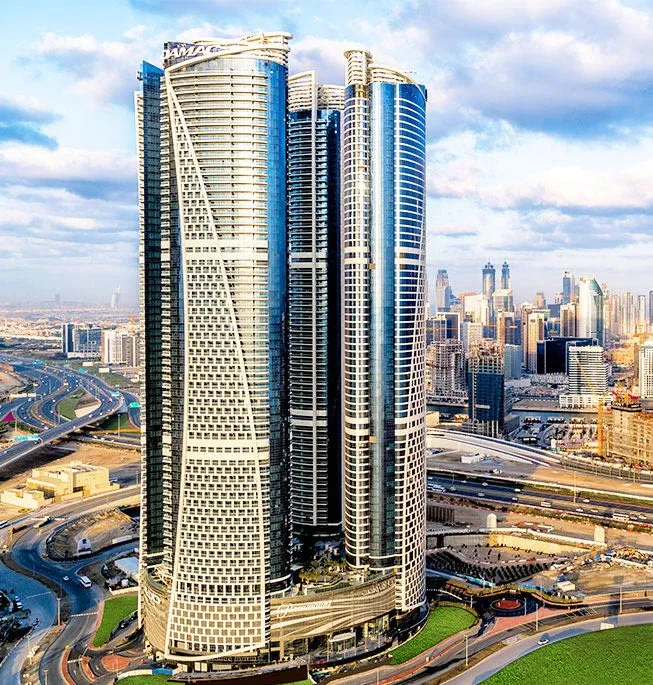
DAMAC Towers by Paramount Hotels & Resorts
Al Khail Road
- 1 to 2-bedroom apartments
- Apartments
- Completed Q3 2018
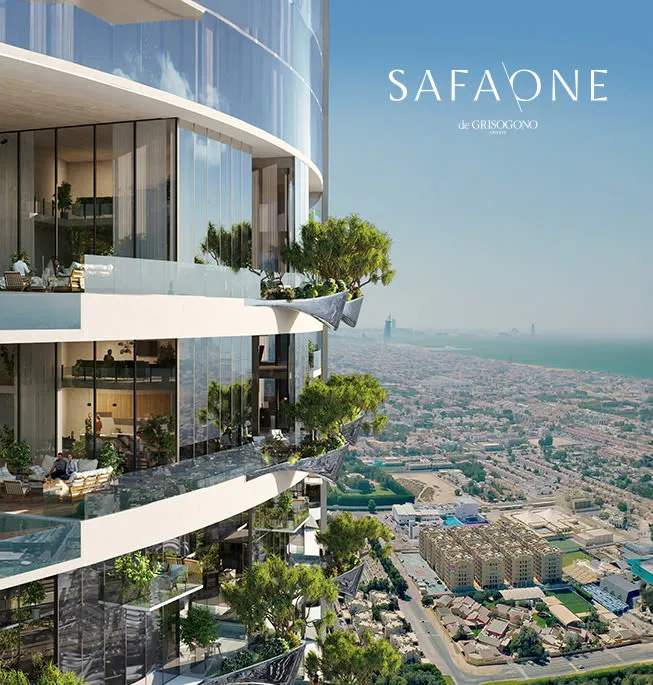
Safa One de GRISOGONO
Al Wasl, Sheikh Zayed Road
- 1 to 5-bedroom apartments
- Apartments
- Handover Q4 2026

DAMAC Bay by Cavalli
Dubai Harbour
- 1 to 3-bedroom apartments, 4 to 5-bedroom penthouses
- Apartments, Penthouses
- Handover Q3 2027

Chelsea Residences
Dubai Maritime City
- 1 to 3-bedroom apartments
- Apartments

DAMAC Casa
Al Sufouh
- 1 to 5-bedroom apartments, 1 to 2-bedroom townhouses
- Apartments, Townhouses
- Handover Q2 2028

Couture by Cavalli
Al Safa, Dubai Canal
- 3 to 5-bedroom apartments, 6-bedroom penthouses
- Apartments, Penthouses
- Handover Q2 2027
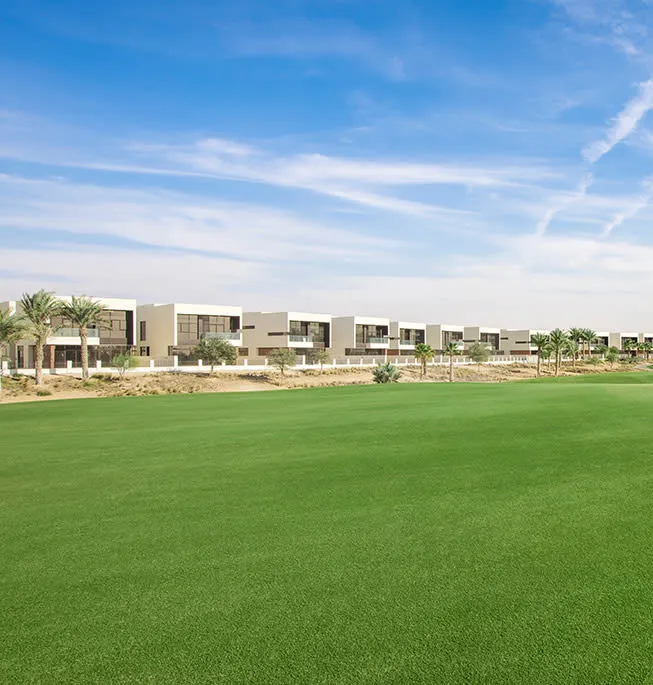
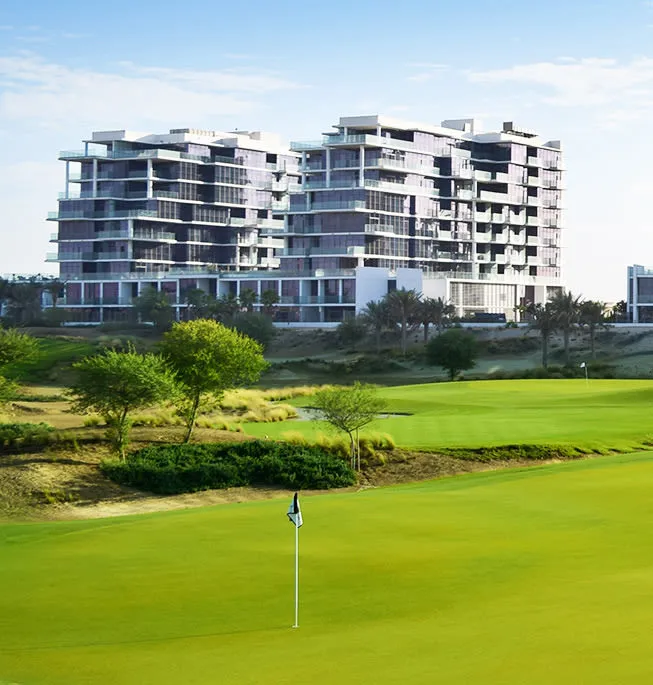


BelAir at The Trump Estates, Phase 2
DAMAC Hills
- 3 to 10-bedroom villas
- Villas
- Handover Q1 2025

Golf Gate 2
DAMAC Hills
- 1 to 2-bedroom apartments
- Apartments
- Handover Q4 2026


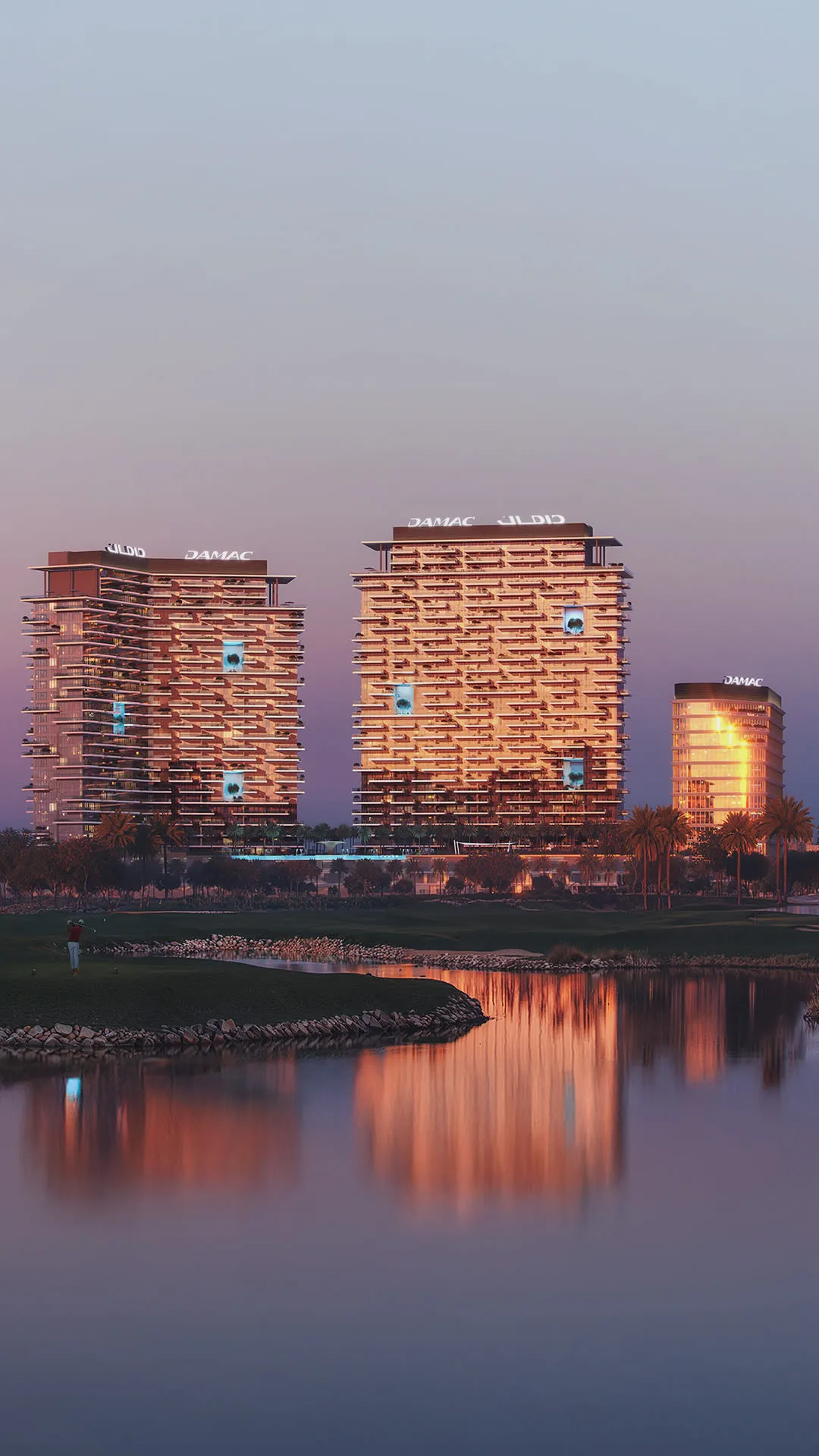
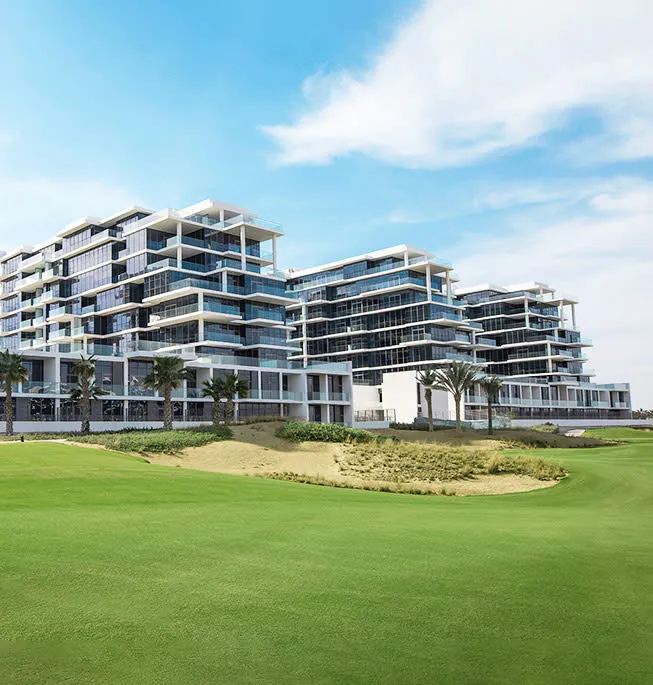
Park Town (Apartments on The Park)
DAMAC Hills
- Studio to 3-bedroom apartments
- Apartments
- Completed Q4 2017
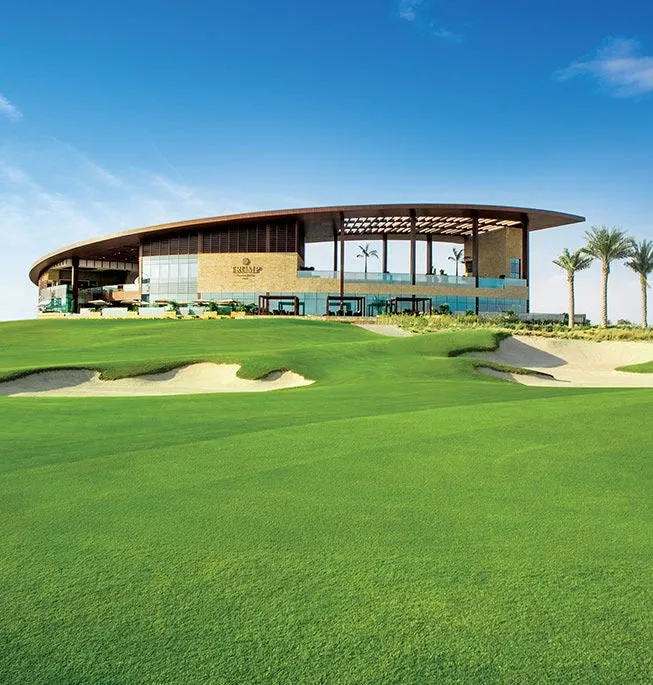
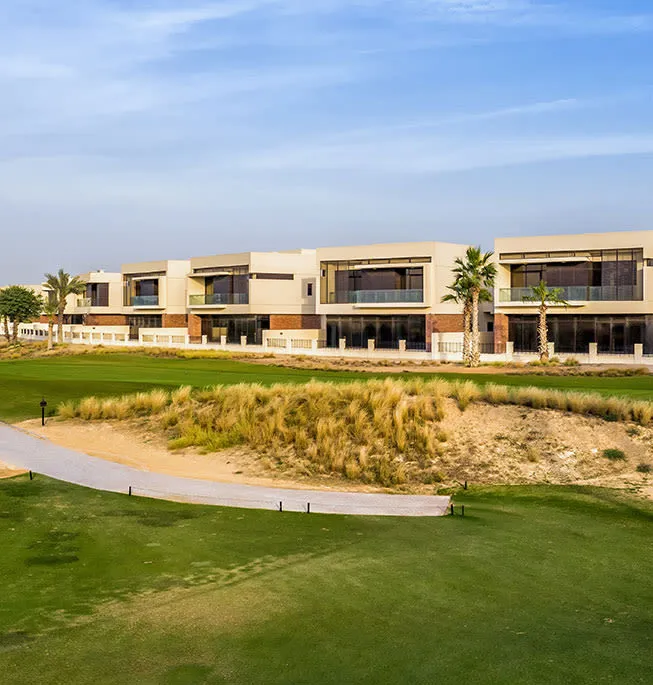
Townhouses on The Golf and The Park
DAMAC Hills
- 2 to 3-bedroom townhouses
- Townhouses

Key takeaways: Cape Town vs Dubai Property Investment
- Both cities allow foreign buyers to own property freehold; Dubai only in the designated freehold areas.
- Dubai charges a flat 4 per cent transfer fee; Cape Town charges transfer duty on a 0 to 13 per cent sliding scale.
- Dubai has no personal income tax or capital gains tax on property; South Africa taxes rent and gains.
- The rand floats; the dirham has been pegged to the US dollar at a fixed rate since 1997.
- South Africans move funds under the Reserve Bank allowances, with SARS clearance for the larger one.
- Cape Town property gives no residence rights; Dubai property can support a Golden Visa application.
The two markets at a glance
Both cities allow foreign buyers to own property freehold. In South Africa there is no nationality restriction on buying residential property: a foreign buyer registers title at the Deeds Office as a citizen would. In Dubai, foreigners can buy freehold property in the designated freehold areas, with a title deed from the Dubai Land Department; outside those areas they are generally limited to leasehold.
The difference is what comes with ownership. In South Africa, owning property gives no residence rights at all. In Dubai, owning property above a set value can support an application for the ten-year Golden Visa. That difference shapes who buys in each city.
Ownership: what you actually hold
In Cape Town, most houses are freehold, owned outright with the land, and most apartments are sectional title: ownership of a unit plus a share of the common property, with monthly levies to the body corporate. A conveyancing attorney registers the title at the Deeds Office.
In Dubai, homes in the freehold areas are owned outright with a title deed from the Dubai Land Department, and owners pay an annual service charge to the owners association for shared areas. Off-plan sales are registered through Oqood before the title deed is issued at handover. Our guide to buying property in Dubai as a foreigner explains the freehold areas and the buying steps.
Buying costs
Dubai has one main transaction cost: the Dubai Land Department transfer fee of 4 per cent of the property value, normally paid by the buyer. Add the registration fee, the agency fee of usually 2 per cent plus VAT, and mortgage fees if you borrow. A buyer using a broker and a mortgage should budget roughly 6 to 7 per cent above the agreed amount.
Cape Town differs: the buyer pays transfer duty to the South African Revenue Service on a sliding scale from 0 to 13 per cent of the value, with properties up to 1,210,000 rand exempt and the rate rising in steps above that. Where a developer sells a new home and charges VAT, VAT applies at 15 per cent instead of transfer duty. Conveyancing fees, Deeds Office fees and bond registration costs come on top. A lower-value purchase in Cape Town can escape transfer duty entirely, while every Dubai purchase carries the 4 per cent fee; at higher values the Cape Town scale climbs past the Dubai flat rate.
Tax on rent and on sale
This is the sharpest difference between the two cities. Dubai charges no personal income tax and no capital gains tax on property for individuals, and no annual property tax, though owners pay an annual service charge to the owners association.
In South Africa, rental income is taxed as part of your income tax, and a gain on sale is subject to capital gains tax. For individuals, 40 per cent of the net capital gain is included in taxable income, with a maximum effective rate of 18 per cent, and part of the gain on a primary residence is excluded. If a non-resident sells a South African property above 2 million rand, the buyer must withhold 7.5 per cent of the selling price for an individual seller and pay it to the South African Revenue Service as an advance against the capital gains tax. Owners in Cape Town also pay annual municipal rates, based on the municipal valuation.
Currency: the rand floats, the dirham does not
The rand floats, so its value against the dollar moves with markets and interest rates. The UAE dirham is pegged to the US dollar at a fixed rate, a peg the Central Bank of the UAE has held since 1997. Dubai rent and values track the dollar, while your home currency does not. When the rand weakens, a Dubai purchase costs more rand but the rent converts into more rand; when it strengthens, the reverse is true.
Moving money out of South Africa is regulated: resident individuals can use a single discretionary allowance needing no tax clearance, and a foreign investment allowance needing a tax compliance approval from the South African Revenue Service. As of 2026 the discretionary allowance is 2 million rand and the foreign investment allowance is 10 million rand per person per calendar year; amounts above need Reserve Bank approval through an authorised dealer bank. Confirm the limits with your bank.
Renting and yields: compare like with like
Rental yield is worked out the same way in both cities: annual rent divided by the total amount paid, including buying costs, multiplied by 100. What differs is what comes off the rent: in Dubai, the service charge, the letting agent fee, empty weeks and maintenance; in Cape Town, the body corporate levies, the municipal rates, the letting fee, empty weeks and maintenance.
Headline yields from the two cities cannot be compared directly: a gross yield that leaves out the service charge in Dubai, or the levies and rates in Cape Town, will always look better than the real return. This guide quotes no yield figures for either city: yields move with the building, the street and the year. A South African landlord in Dubai will need a letting agent and a property manager, and Dubai tenancy rules differ from South African ones, so read the tenancy terms first.
Residence and the long term
Owning property in Cape Town gives no right to live in South Africa: you visit on a visitor visa or hold another permit. Owning property in Dubai does not itself give residence either, but property above a set value can support an application for the ten-year Golden Visa; our Golden Visa guide explains who qualifies. Think about the exit too: selling in Cape Town means capital gains tax and, for a non-resident seller, the withholding above, while selling in Dubai means no capital gains tax for an individual seller, though you must still settle service charges and any mortgage before transfer.
Which suits whom
Cape Town suits a South African investor who wants a market they know, no currency movement, a lower entry cost at modest values, and a home they can use themselves and manage directly.
Dubai suits a South African investor who wants a dollar-linked asset, no personal income tax and no capital gains tax on the property itself, and a possible long-term visa route. It suits buyers comfortable managing a home from a distance through an agent, who can handle the currency movement in both directions. Neither city suits a buyer who wants a guaranteed return: compare the net yield of the exact home in each city, with every charge included.
Cape Town vs Dubai Property Investment: FAQs
Can a foreigner buy property freehold in Cape Town?
Yes. South Africa has no nationality restriction on buying residential property. Title is registered at the Deeds Office, and a conveyancer handles the transfer.
Can a South African buy property freehold in Dubai?
Yes, in the designated freehold areas, with a title deed from the Dubai Land Department. Outside those areas, foreign buyers are generally limited to leasehold.
Which city taxes rental income?
South Africa taxes rental income as part of income tax and charges capital gains tax on sale. Dubai charges no personal income tax and no capital gains tax on property for individuals.
How does currency affect the comparison?
The rand floats and the dirham is pegged to the US dollar at a fixed rate since 1997. Dubai rent and values track the dollar, so the return in rand moves with the exchange rate in both directions.
How do I move money from South Africa to buy in Dubai?
Resident individuals use the Reserve Bank allowances: a discretionary allowance without tax clearance and a foreign investment allowance with SARS tax clearance. Amounts above the allowances need Reserve Bank approval. Confirm current limits with your bank.
Does buying property give me residence in either city?
No, not in Cape Town at all. In Dubai, property above a set value can support a Golden Visa application. See our Golden Visa guide for property buyers.
More Dubai property guides
- Studio Apartments in Dubai
- 1 Bedroom Apartments in Dubai
- 2 Bedroom Apartments in Dubai
- 3 Bedroom Apartments in Dubai
- 4% DLD Fee Waiver in Dubai Explained
- 60/40 Payment Plan Dubai Explained
- 70/30 Payment Plan Dubai Explained
- Branded Residences in Dubai
- Buying Property in Dubai as a Foreigner
- DAMAC Hills vs Dubai Hills Estate Compared
- DAMAC Lagoons vs DAMAC Hills: Which Suits You?
- DLD Fees When Buying Property in Dubai
- Dubai Property Investment Guide
- Dubai Property Payment Plans Explained
- Freehold Areas in Dubai: The Full List
- Golden Visa for Property Buyers in Dubai
- Luxury Property in Dubai: A Buyer Guide
- What Is Off-Plan Property in Dubai