Dubai property guide
Dubai Property Payment Plans Explained
Dubai Property Payment Plans Explained
143 projects documented
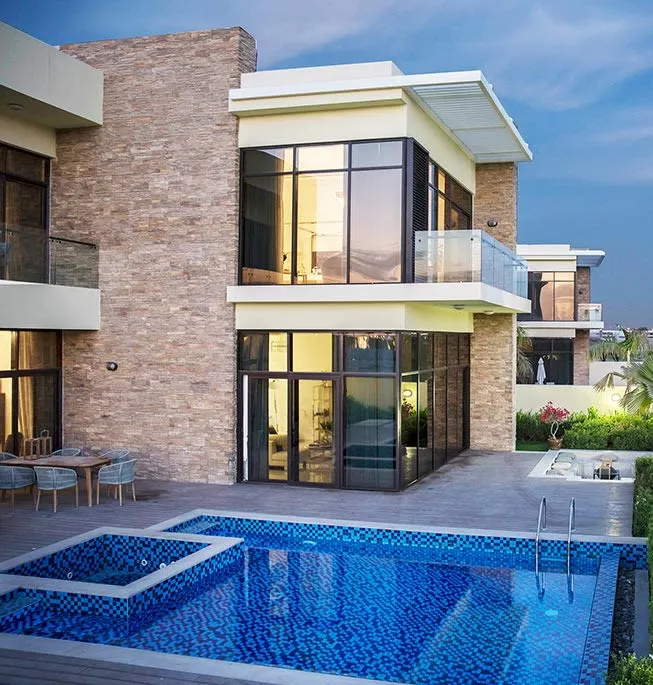



DAMAC Lagoons District, Valencia
DAMAC Lagoons
- Studio to 2-bedroom apartments
- Apartments
- Handover Q3 2029

DAMAC Islands
DAMAC Islands, Dubailand
- 4 to 5-bedroom townhouses, 6 to 7-bedroom villas
- Villas, Townhouses


Canal Crown de GRISOGONO
Dubai Canal
- Studio to 4-bedroom apartments
- Apartments
- Handover Q4 2027
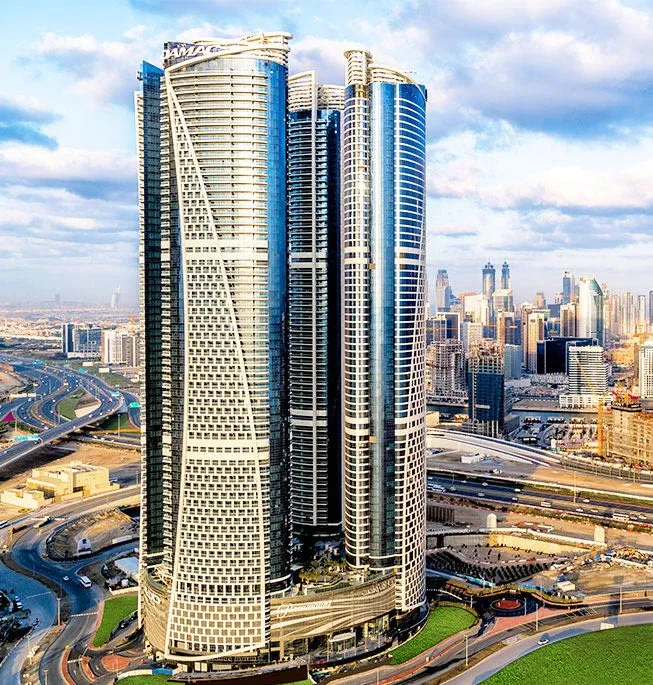
DAMAC Towers by Paramount Hotels & Resorts
Al Khail Road
- 1 to 2-bedroom apartments
- Apartments
- Completed Q3 2018
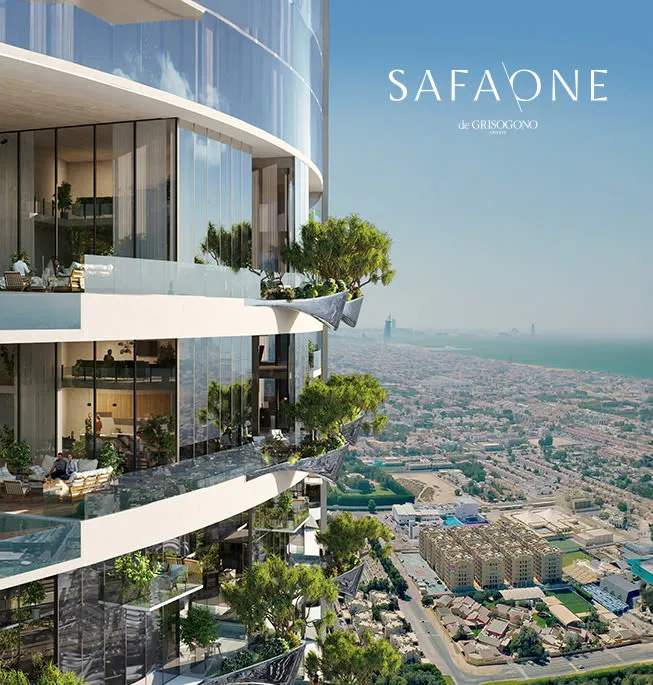
Safa One de GRISOGONO
Al Wasl, Sheikh Zayed Road
- 1 to 5-bedroom apartments
- Apartments
- Handover Q4 2026

DAMAC Bay by Cavalli
Dubai Harbour
- 1 to 3-bedroom apartments, 4 to 5-bedroom penthouses
- Apartments, Penthouses
- Handover Q3 2027

Chelsea Residences
Dubai Maritime City
- 1 to 3-bedroom apartments
- Apartments

DAMAC Casa
Al Sufouh
- 1 to 5-bedroom apartments, 1 to 2-bedroom townhouses
- Apartments, Townhouses
- Handover Q2 2028

Couture by Cavalli
Al Safa, Dubai Canal
- 3 to 5-bedroom apartments, 6-bedroom penthouses
- Apartments, Penthouses
- Handover Q2 2027
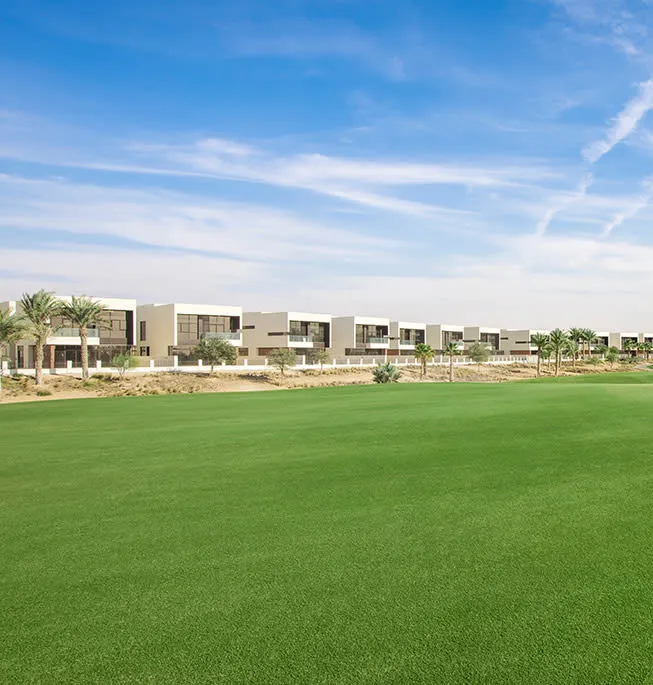
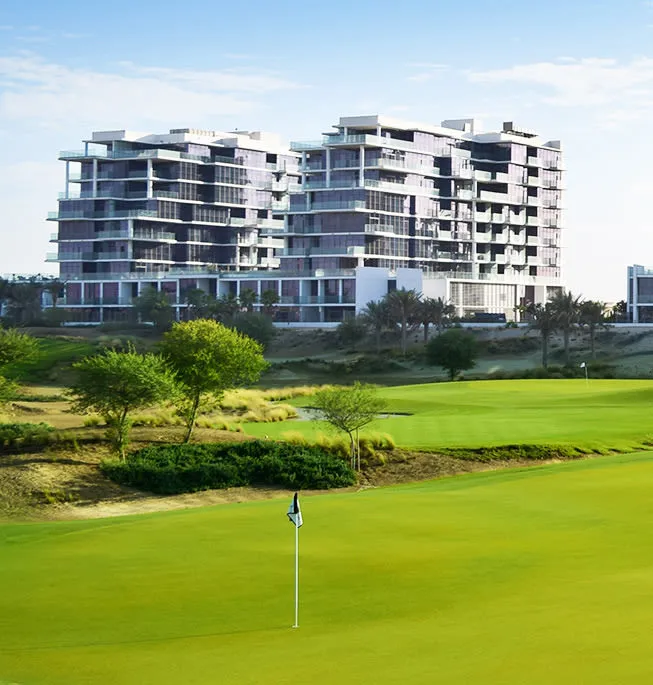


BelAir at The Trump Estates, Phase 2
DAMAC Hills
- 3 to 10-bedroom villas
- Villas
- Handover Q1 2025

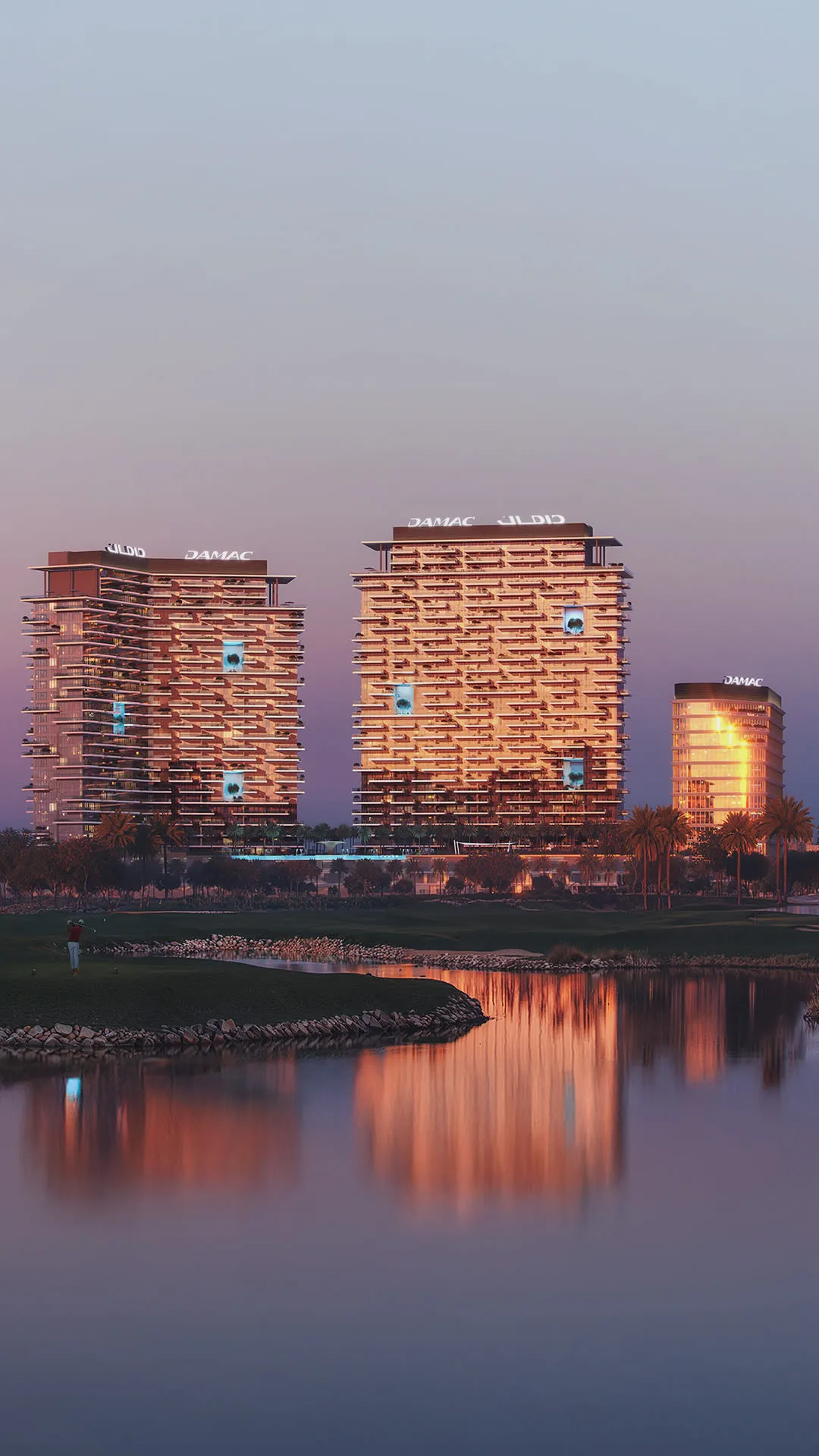
Golf Gate 2
DAMAC Hills
- 1 to 2-bedroom apartments
- Apartments
- Handover Q4 2026


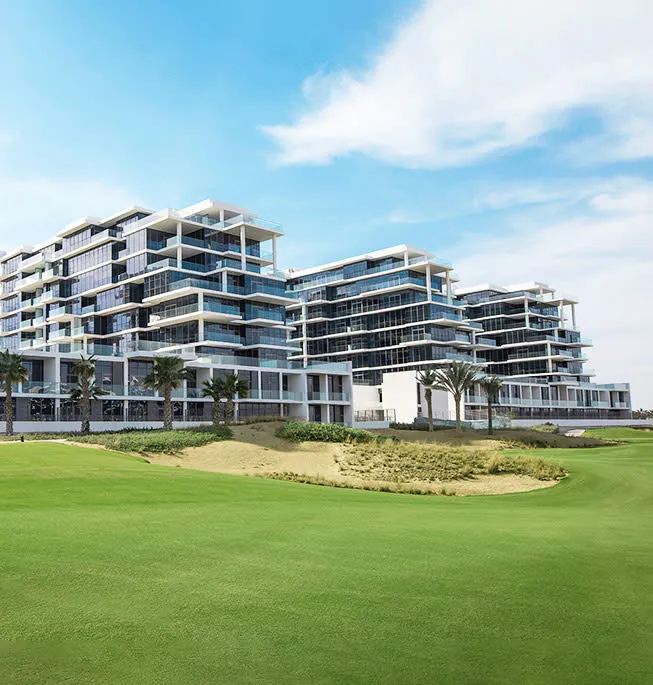
Park Town (Apartments on The Park)
DAMAC Hills
- Studio to 3-bedroom apartments
- Apartments
- Completed Q4 2017

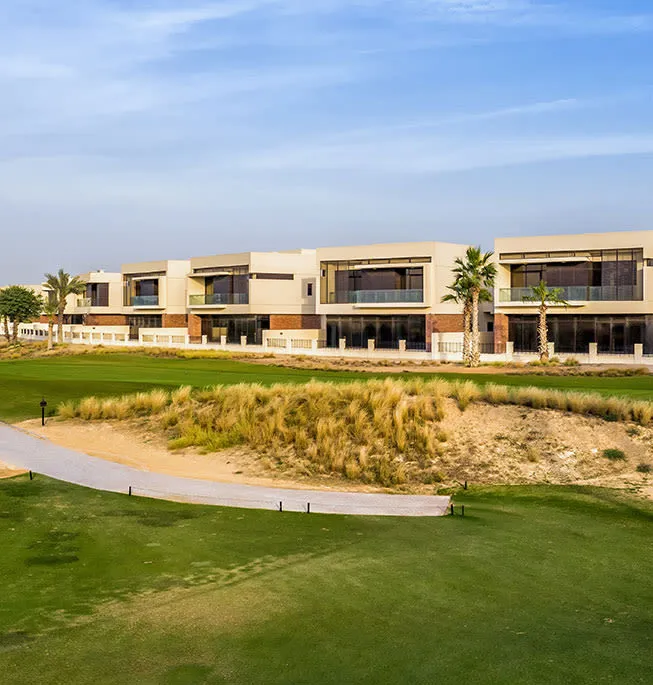
Townhouses on The Golf and The Park
DAMAC Hills
- 2 to 3-bedroom townhouses
- Townhouses

Key takeaways: Dubai Property Payment Plans Explained
- A payment plan is the staged schedule in the SPA: booking, construction instalments, handover.
- Common structures are 60/40, 70/30, 50/50, 80/20 and post-handover plans.
- Most instalments are linked to construction milestones, not fixed dates.
- DLD fees, registration, agency and service charges sit outside the plan.
- Match the plan to your cash flow and check the mortgage timing before signing.
How payment plans work
Every off-plan sale in Dubai has a payment plan written into the sales and purchase agreement. The plan lists each instalment as a percentage of the total amount, the date or construction stage it falls due, and the final payment on handover. Your payments go into the project escrow account supervised by RERA, and the developer can only use them for building that project.
Instalments are usually linked to construction milestones, such as completion of the foundation, the structure, or the finishing works. This is called a construction-linked plan. A time-linked plan asks for payment on fixed calendar dates instead, whether or not the building has reached a given stage. Construction-linked plans are easier to follow, because you can see the progress each payment is tied to.
The booking payment is the first instalment, paid when you reserve the unit. It is commonly 10 or 20 per cent of the total amount. The SPA should say whether the booking payment is refundable if you change your mind, and within what period. After booking, you sign the SPA and the plan becomes binding.
The common plan structures
The 60/40 plan is the most common structure in Dubai. You pay 60 per cent during construction and 40 per cent on handover. It suits buyers who want lower payments while the building goes up and who can arrange the larger final payment at handover, often with a mortgage.
The 70/30 plan asks for 70 per cent during construction and 30 per cent on handover. It suits buyers with strong cash flow during the build, and it leaves a smaller amount to find at handover. Developers sometimes pair it with a lower booking payment to keep the first step affordable.
The 50/50 plan splits the amount evenly: half during construction and half on handover. The 80/20 plan asks for most of the amount during construction and only 20 per cent at handover. Both are less common, but they appear on some launches, usually where the developer wants faster cash flow during the build.
Post-handover plans spread part of the amount over one to three years after you get the keys. A typical version is 60 per cent during construction, 20 per cent on handover and 20 per cent over the year or two after handover. These plans suit buyers who want to move in or rent the home out while they finish paying for it.
What a payment plan does not include
The plan covers the amount agreed with the developer. It does not cover the Dubai Land Department transfer fee, normally 4 per cent, the registration fee, the agency fee, or the mortgage arrangement fee if you borrow. Some developers offer to cover the transfer fee as an incentive, but the other costs still fall to the buyer. Budget for them separately.
Service charges are also separate. Once the home is handed over, the owner pays an annual service charge to the owners association for the upkeep of shared areas. The charge is set per square foot and varies by building and community. Ask for the current charge and whether it is fixed for the first year.
Choosing the right plan
Match the plan to your cash flow, not to the headline offer. A plan with a low booking payment and small instalments looks easy at the start, but a large final payment at handover can be hard to meet. A plan with higher instalments during construction is harder month to month, but it leaves less to find at the end.
If you plan to use a mortgage, check the timing. Banks in Dubai usually release mortgage funds at handover, not during construction, so the final payment is the part a mortgage can cover. Talk to your bank before you sign, and confirm how much they will lend on that project and what documents they need.
If you plan to rent the home out, a post-handover plan can help: rental income after handover can cover the remaining instalments. Check the community rules on renting, and be realistic about how quickly a new home finds a tenant in that area.
What to check before you sign
Read the payment schedule in the SPA line by line. Check what happens if you miss an instalment: most contracts charge a late fee and, after a long delay, the developer can cancel the sale. Check the handover date, the delay clause, and whether the plan changes if handover is late.
Check whether the plan is transferable. If you need to sell before handover, some developers allow it after a set share is paid, some charge a fee, and some do not allow it. Check whether the developer charges for assigning the contract to a new buyer.
Keep every receipt. Each instalment should be receipted against the escrow account, and the sale should be registered through Oqood with the Dubai Land Department. These records are your proof of payment if anything is disputed later.
Dubai Property Payment Plans Explained: FAQs
What is a 60/40 payment plan?
You pay 60 per cent of the amount during construction and 40 per cent on handover. It is the most common off-plan structure in Dubai.
What is a post-handover payment plan?
Part of the amount is paid after you receive the keys, usually over one to three years. It lets you move in or rent the home out while you finish paying.
Are payment plan instalments linked to construction?
Usually yes. Most plans are construction-linked, so each instalment falls due when the building reaches a set stage, such as structure or finishing.
Can I pay a payment plan with a mortgage?
Banks normally release mortgage funds at handover, so a mortgage usually covers the final payment rather than the construction instalments. Confirm this with your bank before signing.
What happens if I miss an instalment?
The SPA usually allows a late fee, and after a long delay the developer can cancel the sale. Read the default clause before you sign.
Does the payment plan include the DLD fee?
No. The transfer fee, registration fee and agency fee are separate. Some developers offer to cover the transfer fee as an incentive.
Can I change my payment plan after signing?
Only if the developer agrees and the SPA is amended. Ask about flexibility before you sign, not after.
More Dubai property guides
- Studio Apartments in Dubai
- 1 Bedroom Apartments in Dubai
- 2 Bedroom Apartments in Dubai
- 3 Bedroom Apartments in Dubai
- 4% DLD Fee Waiver in Dubai Explained
- 60/40 Payment Plan Dubai Explained
- 70/30 Payment Plan Dubai Explained
- Branded Residences in Dubai
- Buying Property in Dubai as a Foreigner
- Cape Town vs Dubai Property Investment
- DAMAC Hills vs Dubai Hills Estate Compared
- DAMAC Lagoons vs DAMAC Hills: Which Suits You?
- DLD Fees When Buying Property in Dubai
- Dubai Property Investment Guide
- Freehold Areas in Dubai: The Full List
- Golden Visa for Property Buyers in Dubai
- Luxury Property in Dubai: A Buyer Guide
- What Is Off-Plan Property in Dubai