Dubai property guide
DLD Fees When Buying Property in Dubai
DLD Fees When Buying Property in Dubai
143 projects documented
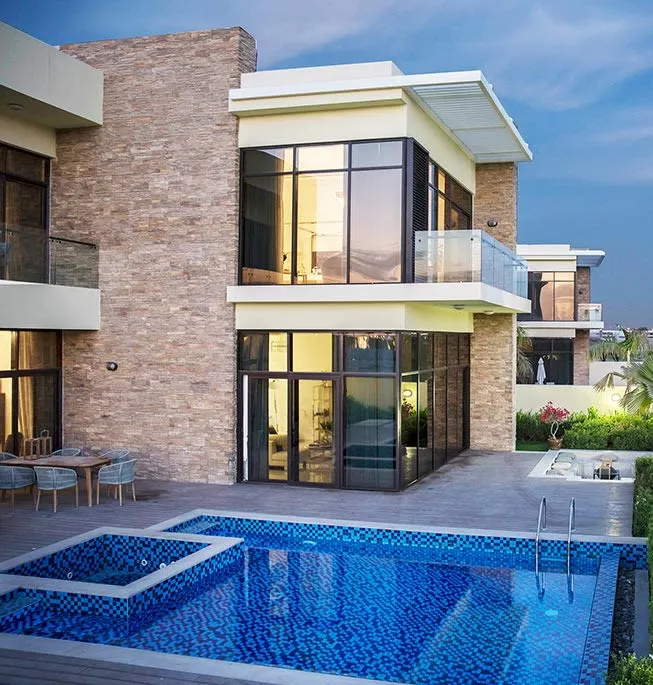



DAMAC Lagoons District, Valencia
DAMAC Lagoons
- Studio to 2-bedroom apartments
- Apartments
- Handover Q3 2029

DAMAC Islands
DAMAC Islands, Dubailand
- 4 to 5-bedroom townhouses, 6 to 7-bedroom villas
- Villas, Townhouses


Canal Crown de GRISOGONO
Dubai Canal
- Studio to 4-bedroom apartments
- Apartments
- Handover Q4 2027
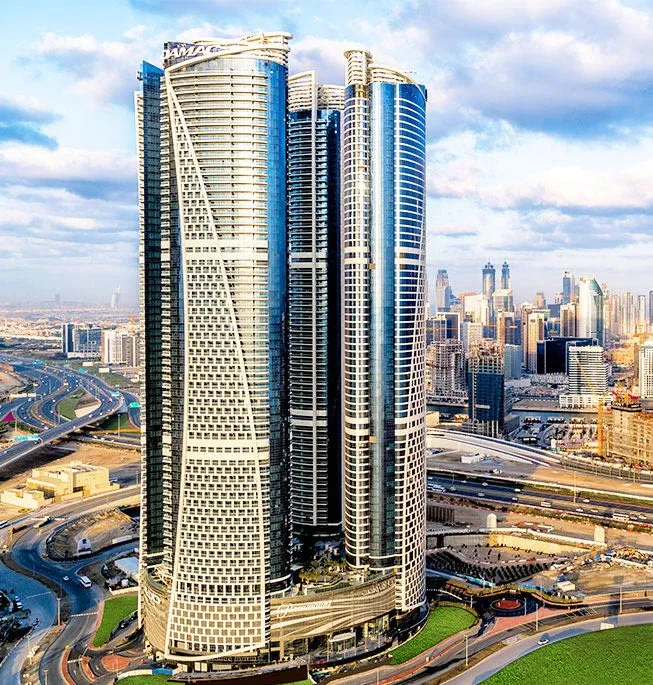
DAMAC Towers by Paramount Hotels & Resorts
Al Khail Road
- 1 to 2-bedroom apartments
- Apartments
- Completed Q3 2018
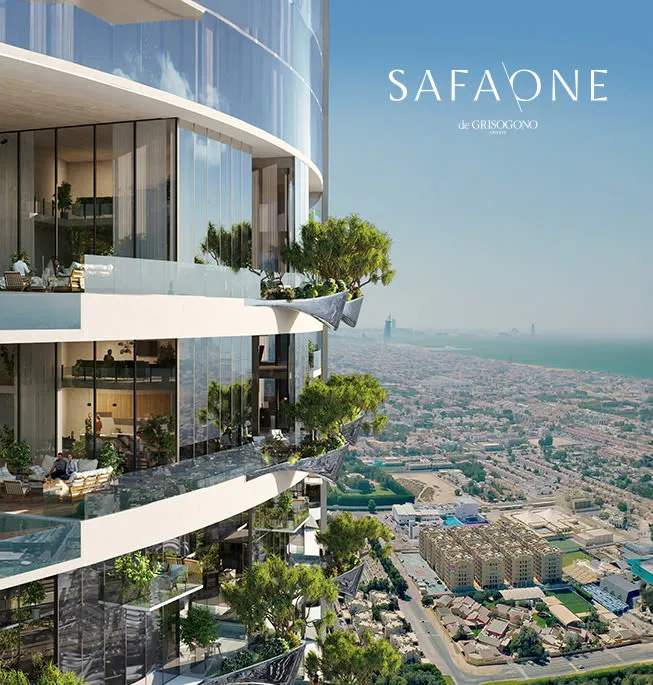
Safa One de GRISOGONO
Al Wasl, Sheikh Zayed Road
- 1 to 5-bedroom apartments
- Apartments
- Handover Q4 2026

DAMAC Bay by Cavalli
Dubai Harbour
- 1 to 3-bedroom apartments, 4 to 5-bedroom penthouses
- Apartments, Penthouses
- Handover Q3 2027

Chelsea Residences
Dubai Maritime City
- 1 to 3-bedroom apartments
- Apartments

DAMAC Casa
Al Sufouh
- 1 to 5-bedroom apartments, 1 to 2-bedroom townhouses
- Apartments, Townhouses
- Handover Q2 2028

Couture by Cavalli
Al Safa, Dubai Canal
- 3 to 5-bedroom apartments, 6-bedroom penthouses
- Apartments, Penthouses
- Handover Q2 2027
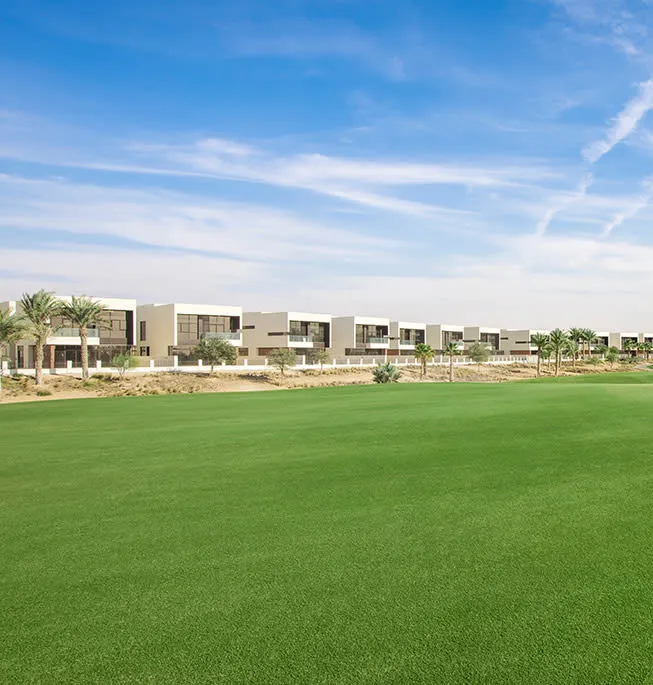
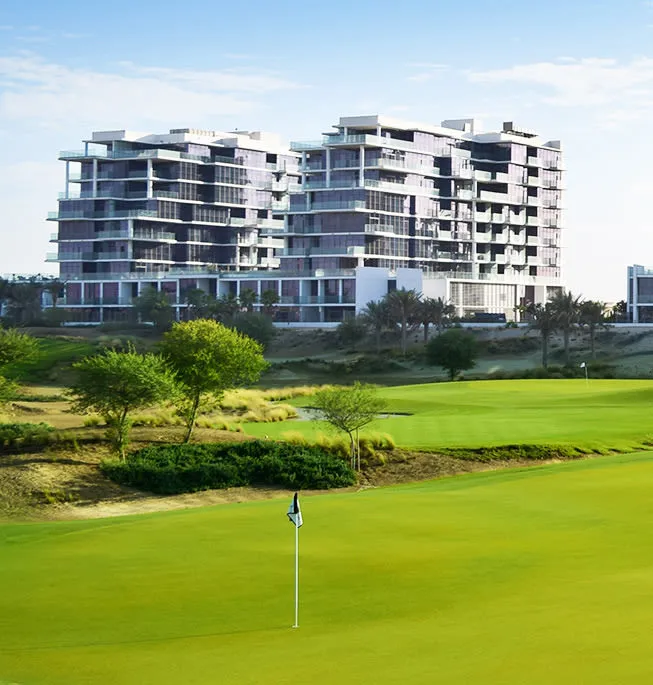


BelAir at The Trump Estates, Phase 2
DAMAC Hills
- 3 to 10-bedroom villas
- Villas
- Handover Q1 2025
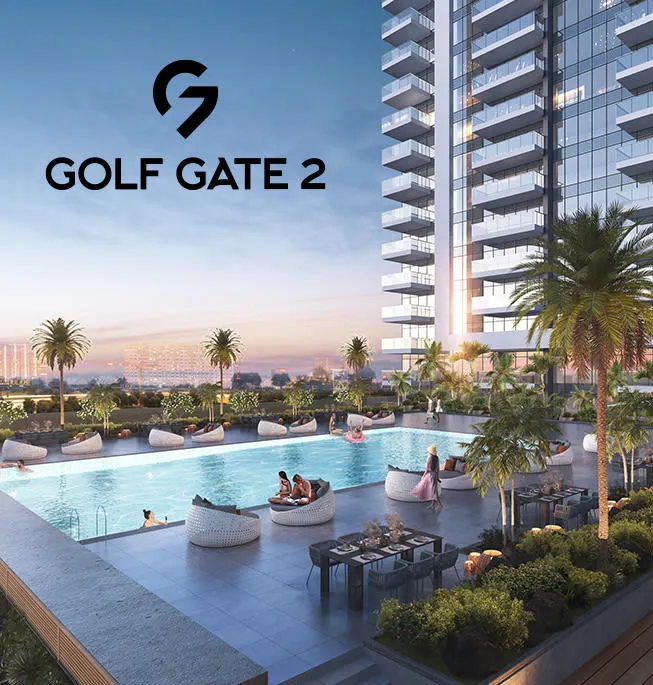
Golf Gate 2
DAMAC Hills
- 1 to 2-bedroom apartments
- Apartments
- Handover Q4 2026



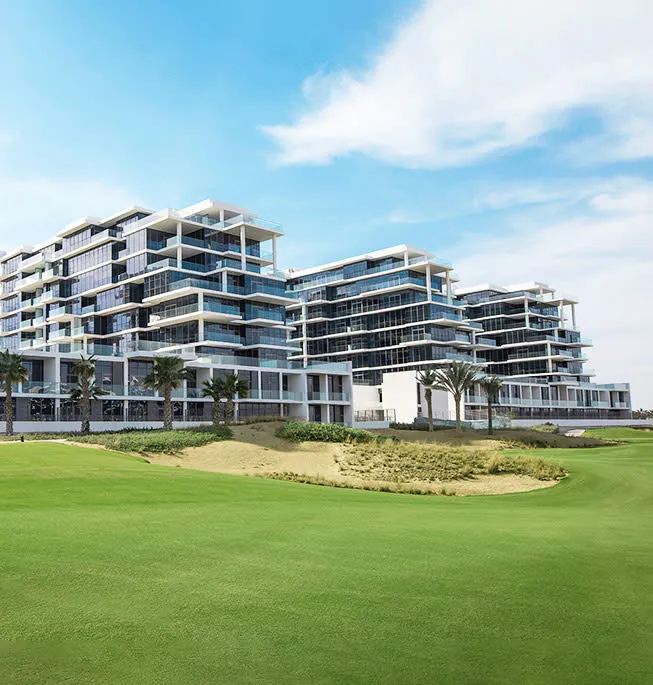
Park Town (Apartments on The Park)
DAMAC Hills
- Studio to 3-bedroom apartments
- Apartments
- Completed Q4 2017
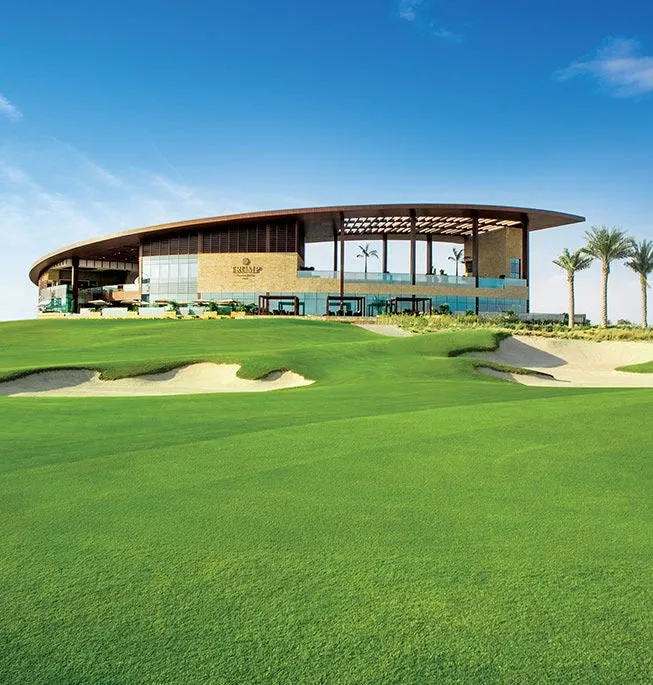
Townhouses on The Golf and The Park
DAMAC Hills
- 2 to 3-bedroom townhouses
- Townhouses

Key takeaways: DLD Fees When Buying Property in Dubai
- The transfer fee is 4 per cent of the property value, normally paid by the buyer.
- Registration fees are fixed: AED 4,000 above AED 500,000, AED 2,000 at or below.
- Mortgage registration costs 0.25 per cent of the loan plus AED 290.
- Agency fees are usually 2 per cent plus VAT; the seller normally pays the NOC fee.
- Budget roughly 6 to 7 per cent above the agreed amount when using a broker and a mortgage.
The transfer fee: 4 per cent
The largest fee is the Dubai Land Department transfer fee, set at 4 per cent of the property value. It is paid when the property is registered in the buyer name and the title deed is issued. The buyer normally pays it, though the sales and purchase agreement can split it between buyer and seller.
On ready property, the fee is paid at transfer, when buyer and seller attend the Dubai Land Department or a trustee office together. On off-plan property, it is normally paid at handover, when the property is registered in the buyer name. Some developers offer to cover this fee as an incentive; the offer must be written into the sales and purchase agreement to be binding.
The fee is calculated on the property value recorded with the Dubai Land Department, which is normally the amount in the contract. If the contract amount looks out of line with the market, the department can use its own valuation. Budget for 4 per cent of the full amount, and treat any waiver as a saving, not as a given.
Registration and title deed fees
The Dubai Land Department also charges a registration fee when the title deed is issued. For properties valued above AED 500,000 the fee is AED 4,000, and for properties at or below that value it is AED 2,000. These are fixed administrative fees set by the department, and they apply to every transfer.
A title deed issuance fee also applies, along with smaller charges for the transfer paperwork. The amounts are modest next to the transfer fee, but they are payable on the day of transfer, so include them in your cash plan. Your conveyancer or the trustee office can give you the exact list before the transfer date.
For off-plan property, an Oqood registration fee applies when the sale is first registered with the Dubai Land Department. Oqood records you as the buyer of a specific unit and prevents the same unit being sold twice. The fee is a small share of the amount and is normally paid at the time of registration.
Mortgage fees
If you buy with a mortgage, the bank charges an arrangement fee, usually around 1 per cent of the loan amount, though some banks charge a fixed fee or waive it as part of an offer. The bank also charges for a valuation of the property, which it needs before it releases funds. The valuation fee is usually a fixed amount set by the bank or the valuer.
The mortgage itself must be registered with the Dubai Land Department, and the registration fee is 0.25 per cent of the loan amount, plus a fixed administrative charge of AED 290. This fee is paid at the same time as the transfer, and it is separate from the 4 per cent transfer fee.
Banks in Dubai normally release mortgage funds at handover for off-plan property, not during construction. That means the mortgage covers the final payment in your payment plan, and the construction instalments are paid from your own funds. Confirm the timing with your bank before you sign the sales and purchase agreement.
Agency fees
If you buy through a broker, the agency fee is usually 2 per cent of the property value, plus VAT at 5 per cent on the fee. The fee is set out in the agency agreement, known as Form B, which you sign with the broker. Read it before you sign: it records the fee, the property, and the broker duties.
On off-plan purchases bought directly from the developer, there is often no agency fee, because the developer pays the broker or sells to you directly. If a broker introduces you to a developer project, check who pays the broker and whether any fee falls to you. The answer should be in writing before you reserve the unit.
Other costs to budget for
A No Objection Certificate, known as an NOC, is needed from the developer before a ready property can transfer. The developer charges a fee for the NOC, which varies by developer and community. The seller normally pays the NOC fee, but the contract can say otherwise, so check who pays it.
Service charges start after handover. The owner pays an annual charge to the owners association for the upkeep of shared areas, set per square foot and varying by building and community. Ask for the current charge and whether it is fixed for the first year. On handover you may also be asked for a deposit for the service charge and for utilities.
If you use a conveyancer or a property lawyer, their fee is separate again. It is usually a fixed amount for checking the contract and handling the transfer. For a large purchase, independent legal advice is a small cost next to the amount at stake.
A worked example in percentages
Take a purchase where the agreed amount is 100 per cent. The transfer fee adds 4 per cent. The agency fee, where one applies, adds 2 per cent plus VAT on the fee. The mortgage registration fee adds 0.25 per cent of the loan amount. The fixed registration and title deed fees add a small flat amount. Taken together, a buyer using a broker and a mortgage should budget roughly 6 to 7 per cent above the agreed amount, plus the fixed fees.
If the developer covers the transfer fee, the extra cost falls to roughly 2 to 3 per cent above the agreed amount, plus the fixed fees. That is why a transfer fee waiver is a meaningful incentive, and why it is worth checking whether it is written into the sales and purchase agreement.
Work out your own figures before you commit. List the agreed amount, the transfer fee, the registration fee, the agency fee, the mortgage fees and the NOC, and add them up. The total is the cash you need, and it is the figure to compare when you look at two different properties.
DLD Fees When Buying Property in Dubai: FAQs
How much is the DLD transfer fee?
4 per cent of the property value, normally paid by the buyer when the property is registered in their name.
What is the DLD registration fee?
A fixed fee charged when the title deed is issued: AED 4,000 for properties above AED 500,000, and AED 2,000 at or below that value.
How much is the mortgage registration fee?
0.25 per cent of the loan amount, plus a fixed administrative charge of AED 290, paid when the mortgage is registered.
How much is the agency fee in Dubai?
Usually 2 per cent of the property value plus VAT at 5 per cent on the fee, set out in the agency agreement (Form B).
Who pays the NOC fee?
The developer charges a fee for the No Objection Certificate. The seller normally pays it, but the contract can say otherwise.
When are DLD fees paid on off-plan property?
Normally at handover, when the property is registered in the buyer name. The Oqood registration fee is paid earlier, when the sale is first registered.
Can the developer waive the DLD fee?
Yes, some developers offer to cover the 4 per cent transfer fee as an incentive. It must be written into the sales and purchase agreement to be binding.
More Dubai property guides
- Studio Apartments in Dubai
- 1 Bedroom Apartments in Dubai
- 2 Bedroom Apartments in Dubai
- 3 Bedroom Apartments in Dubai
- 4% DLD Fee Waiver in Dubai Explained
- 60/40 Payment Plan Dubai Explained
- 70/30 Payment Plan Dubai Explained
- Branded Residences in Dubai
- Buying Property in Dubai as a Foreigner
- Cape Town vs Dubai Property Investment
- DAMAC Hills vs Dubai Hills Estate Compared
- DAMAC Lagoons vs DAMAC Hills: Which Suits You?
- Dubai Property Investment Guide
- Dubai Property Payment Plans Explained
- Freehold Areas in Dubai: The Full List
- Golden Visa for Property Buyers in Dubai
- Luxury Property in Dubai: A Buyer Guide
- What Is Off-Plan Property in Dubai