Escrow Accounts and Oqood: How Dubai Protects Off-Plan Buyers
Off-plan sales in Dubai are protected in two main ways: buyers' payments must go into a project escrow account regulated by RERA under Law No. 8 of 2007, and every sale is registered in the Dubai Land Department's Oqood interim register. Together they make it much harder for a developer to divert money or sell the same unit twice.
- Law No. 8 of 2007
- Escrow law
- Law No. 13 of 2008
- Interim register law
- Law No. 19 of 2017
- Default rules updated
- 4% of the price
- DLD registration fee
- 30 days
- Notice before termination
- RERA
- Supervised by
The quick answer
Dubai protects off-plan buyers in two main ways. First, under Law No. 8 of 2007, every off-plan project must have its own escrow account at an approved bank, supervised by the Real Estate Regulatory Agency (RERA). Buyers' payments go into that account, and the developer can only draw money to pay for construction as it progresses. Second, under Law No. 13 of 2008, every off-plan sale must be registered on the Dubai Land Department's interim real estate register, known as Oqood, which records you as the buyer until the title deed is issued at completion. Together they mean your money is tied to your project and your purchase is on public record. They reduce the risk of buying off-plan, but they do not remove it, so you still need to check the developer, the project and the contract.
How the escrow system works
- The developer registers the project with RERA before selling any units. It must show ownership of the land or development rights, approved plans and a contract with a construction company and a consultant.
- An escrow account is opened at a bank approved by the DLD, in the name of the project. Each project has its own account, so funds from one project cannot be used on another.
- Buyers pay into the escrow account. Your SPA and payment instructions should name the escrow account number and bank.
- Money is released against progress. The developer applies to withdraw funds to pay contractors and other project costs, backed by the project consultant's certification of work done. The escrow bank and RERA check that withdrawals match progress.
- At completion, the project is finished, units are handed over and the remaining balance in escrow is settled under RERA's rules.
The key protection is simple: the developer cannot use your instalments to fund another project, its general overheads or a different business. If the project fails, the money still in escrow is available to buyers.
What Oqood is and why it matters
Oqood (Arabic for "contracts") is the DLD's interim register for off-plan property. When you buy off-plan, the developer registers your sale and you receive an Oqood certificate showing the project, the unit and your name. This matters because:
- It is the official record that you are the buyer, before any title deed exists.
- It prevents the same unit from being sold twice.
- Any resale before handover (an assignment) is recorded on Oqood, with the developer's approval.
- Banks rely on it if you take a mortgage on an off-plan unit.
- At completion, the Oqood registration is converted into a title deed in your name.
The 4% DLD registration fee is normally paid when the sale is registered on Oqood, together with a small administration fee. Some developers cover part or all of the 4% as a sales incentive; see our page on the DLD fee waiver.
What these protections do and do not cover
| Situation | Protected? | Notes |
|---|---|---|
| Developer uses your money for another project | Yes | Escrow funds can only be spent on your project |
| Same unit sold to two buyers | Yes | Oqood registration prevents double sales |
| Project cancelled by RERA | Largely | Buyers are refunded from the escrow account under RERA's procedures |
| Handover is late | Partly | Depends on the delay and compensation clauses in your SPA |
| Market prices fall before handover | No | Market risk stays with the buyer |
| Finishes differ from the brochure | Partly | The SPA usually allows substitutes of equal quality |
| You paid an agent or a non-escrow account | No | Always pay into the escrow account named in the SPA |
If you fall behind on payments
The rules work both ways. Law No. 13 of 2008, as amended by Law No. 19 of 2017, sets out what a developer can do if a buyer stops paying. The developer must first notify the DLD, which gives the buyer 30 days' notice to pay. If the buyer still does not pay, how much the developer may keep depends broadly on how far construction has progressed:
| Project completion | Developer's main options (broadly) |
|---|---|
| 80% or more | Keep the contract and claim the balance, ask the DLD to sell the unit at auction, or terminate and keep up to 40% of the price |
| 60–80% | Terminate and keep up to 40% of the price |
| Below 60% | Terminate and keep up to 25% of the price |
| Not started, for reasons outside the developer's control | Terminate and keep up to 30% of the price |
Any amount paid above what the developer may keep must be refunded. This is a summary, not legal advice: if you expect to miss payments, talk to the developer early and take advice from a Dubai property lawyer.
If your project is delayed
Delays are the most common problem off-plan buyers face. Start with your SPA: most include a grace period after the stated handover date, often several months, during which the developer owes nothing. After that, the contract may set out compensation, the right to terminate, or both. Keep a written record of the developer's updates and compare them with the completion percentage reported on the DLD systems. If progress stalls for a long time, buyers can raise a complaint with RERA, and where a project is cancelled, RERA manages refunds from the escrow account. Joining up with other buyers in the same project often gets clearer answers from the developer, and a Dubai property lawyer can advise on your options under the contract and the law.
How to check an off-plan project before you pay
- Confirm RERA registration. Use the DLD website or the Dubai REST app to look up the project, its developer and its escrow account.
- Check construction progress. The DLD's project status tools show the reported completion percentage. Compare it with the developer's claims.
- Read the SPA before paying more than the booking amount: payment schedule, handover date, grace period, delay compensation, specification and termination clauses.
- Pay only into the escrow account named in the SPA, by bank transfer or cheque made out exactly as stated. Never pay cash to an agent.
- Get your Oqood certificate and check that the unit number, area and price match your SPA.
- Look at the developer's record. Visit completed projects and compare promised and actual handover dates. Our top developers guide is a useful starting point.
Worked example: following your money
You buy a AED 1.2 million apartment on a 60/40 plan. On booking you pay 10% (AED 120,000) into the project escrow account and 4% (AED 48,000) to the DLD for Oqood registration. Over the next two years you pay a further 50% in instalments, all into escrow. Each time the developer finishes a stage, such as the structure or the façade, the consultant certifies the work and the developer withdraws enough to pay the contractor. At handover you pay the final 40%, the Oqood registration becomes your title deed, and you start paying service charges. At no point does your money leave the project's account except to pay for building your project.
Checklist for off-plan buyers
- Project is registered with RERA and listed on the DLD systems
- Escrow account name, number and bank are written in the SPA
- Every payment goes to that account, and you keep receipts
- Oqood certificate received within a few weeks of booking
- Handover date, grace period and delay terms are clear
- You have a plan for every instalment, including the handover payment
Common mistakes to avoid
- Paying a "reservation fee" in cash or to an agent's account.
- Signing the SPA without reading the termination and delay clauses.
- Not checking that the project is registered before paying.
- Assuming escrow protects you from market falls.
- Missing instalments without talking to the developer first.
To weigh these protections against buying a finished home, read off-plan vs ready property, then browse current off-plan projects in Dubai.
Projects mentioned in this guide
Live project pages from our directory, with unit sizes, status and sources.
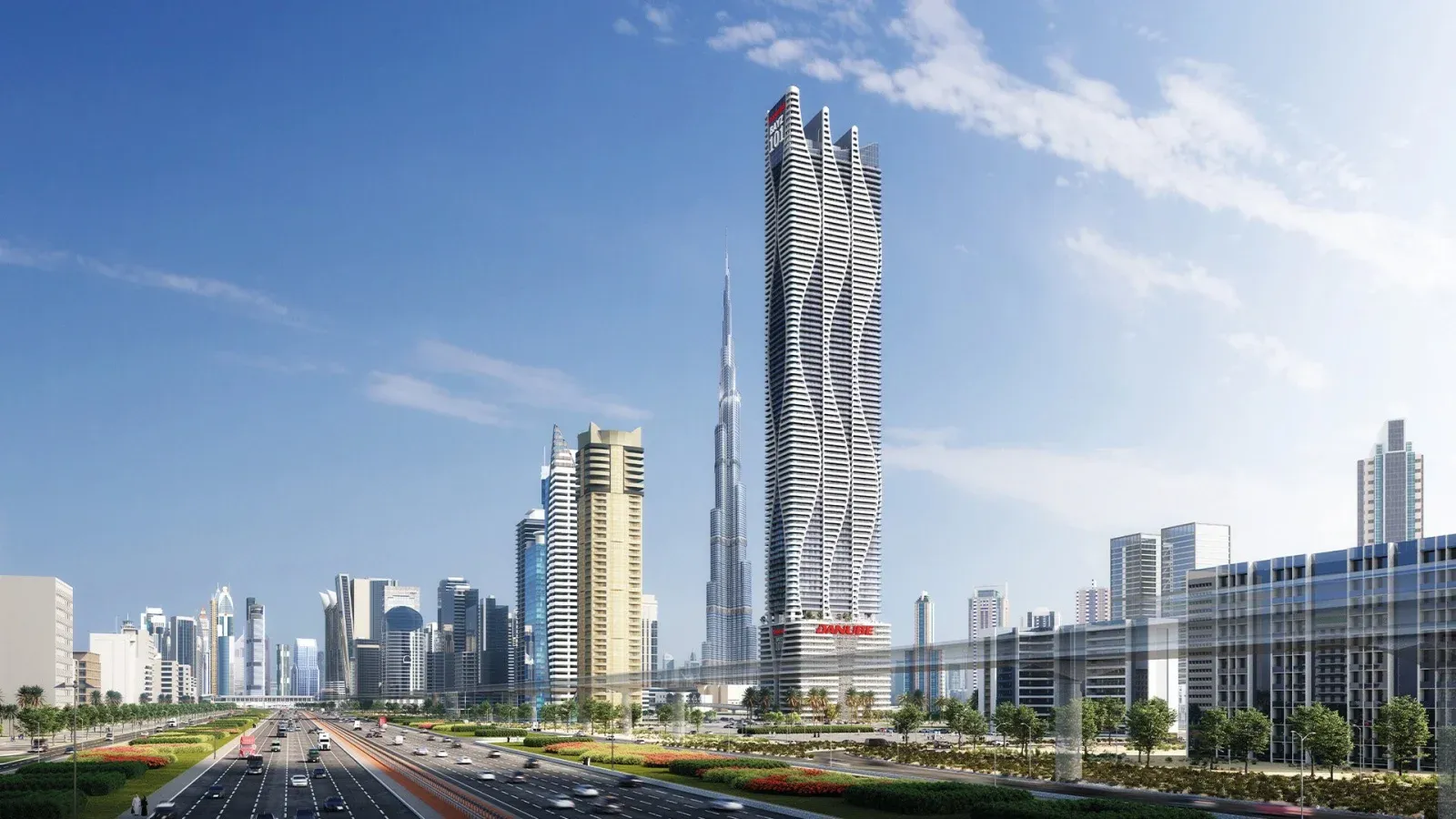

Bayz 101 by Danube
Business Bay
- Studio to 4-bedroom apartments
- Apartments
- Completion June 2028
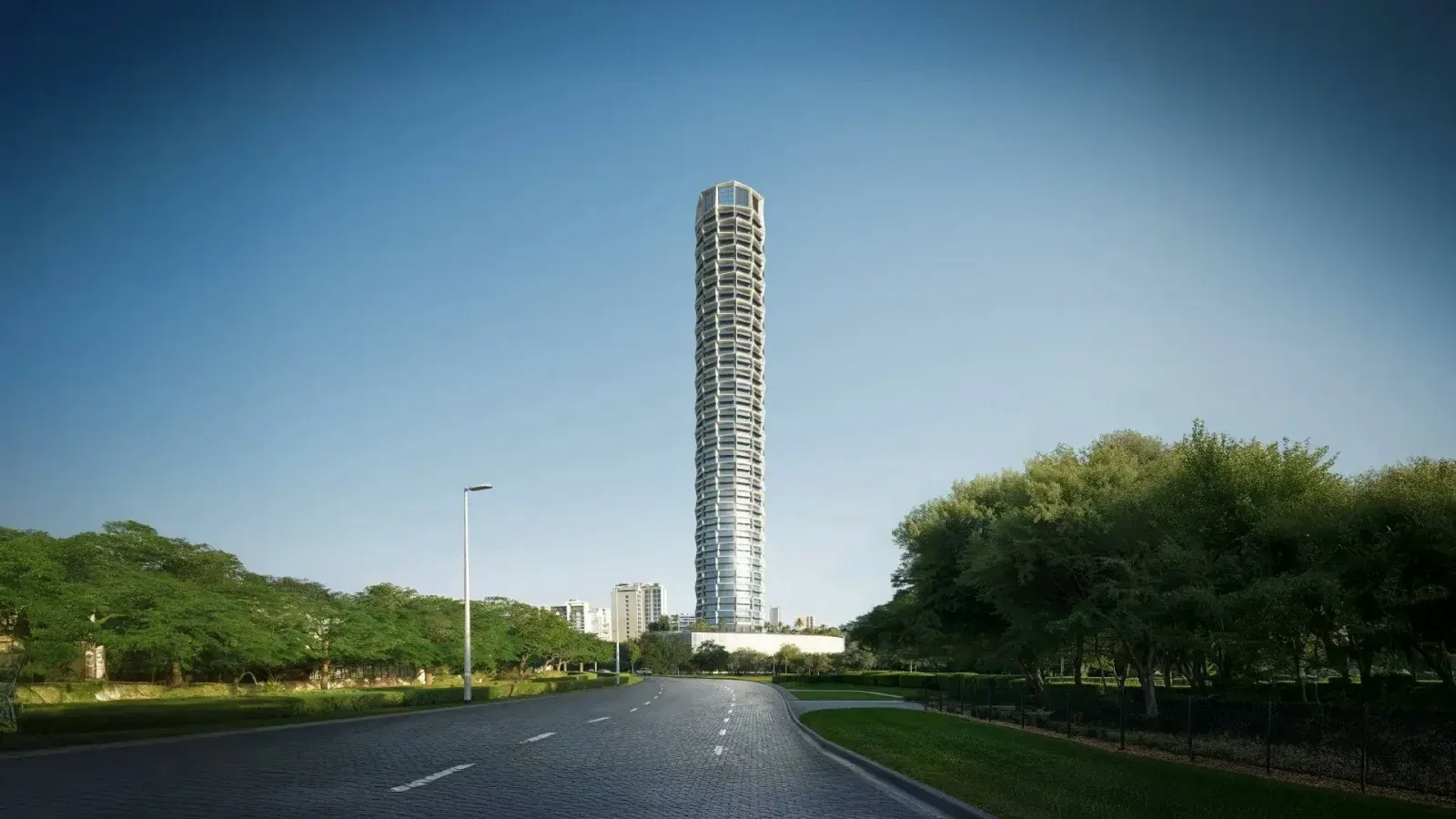
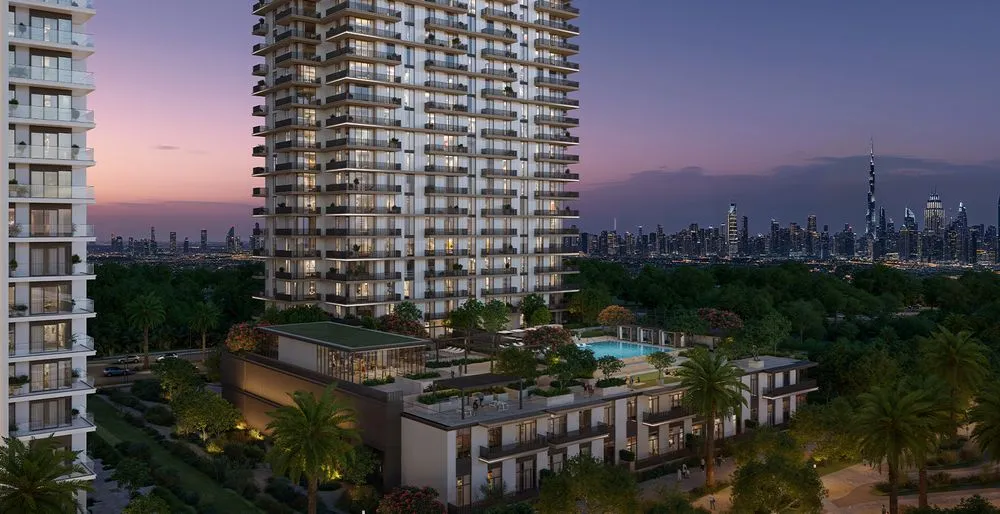
Binghatti Circle
Jumeirah Village Circle (JVC)
- Studio to 3-bedroom apartments
- Apartments
- Completion Q2 2027
Frequently asked questions
What is an escrow account in Dubai real estate?
A bank account set up for a single off-plan project under Law No. 8 of 2007. Buyers' payments go into it, and the developer can only withdraw money to pay for construction of that project, under RERA supervision.
What is Oqood?
Oqood is the Dubai Land Department's interim register for off-plan sales. It records you as the buyer of a unit until the project is completed and your title deed is issued.
How much is the Oqood registration fee?
The main cost is the 4% DLD registration fee on the purchase price, plus a small administration fee. Some developers pay part of it as a promotion.
How do I check if an off-plan project is registered?
Search for the project on the Dubai Land Department website or the Dubai REST app, which show the developer, registration status, escrow account and reported completion.
What happens to my money if the project is cancelled?
If RERA cancels a project, buyers are refunded from the money held in the project's escrow account under RERA's procedures.
Can a developer keep my payments if I stop paying?
After DLD notice and a 30-day period, the developer may terminate and keep part of what you paid. The amount depends on construction progress, broadly up to 25% to 40% of the price under Law No. 19 of 2017.
Does escrow protect me if prices fall?
No. Escrow protects how your money is used, not the value of the property. Market risk stays with the buyer.
Should I ever pay an agent directly for an off-plan unit?
No. Pay only into the escrow account named in your SPA, or the DLD for registration fees, and keep every receipt.
About this article

Off-Plan & Developer Writer
Mohammed Qurban writes about off-plan property and Dubai's developers for DXB Propedia, from escrow protection and payment plans to comparing ready and…

Founder & Editor-in-Chief
Danish Desai is the founder and Editor-in-Chief of DXB Propedia, the mind behind the project. Danish set out to build an independent, source-checked…
Last reviewed . Fees and rules can change; confirm current figures with the authority named in each section. Read our editorial policy or meet the team.