Renting in Dubai: The Complete Guide for Tenants
Renting in Dubai means agreeing rent and cheques, signing the standard tenancy contract, paying a deposit (about 5% unfurnished, 10% furnished) and an agent fee (about 5%), then registering on Ejari and connecting DEWA. Rent rises are capped by the RERA index, and landlords need 12 months’ notice to recover a home.
- 5% / 10% of annual rent
- Security deposit
- ~5% of annual rent
- Agent fee
- 90 days
- Notice of rent change
- 12 months
- Notice to recover home
- 0–20% by index
- Rent cap at renewal
- 5% of rent via DEWA
- Housing fee

The quick answer
Renting a home in Dubai follows a set pattern. You choose an area, view homes with a RERA-registered agent, agree the rent and the number of cheques, sign the standard tenancy contract, pay a security deposit (commonly 5% of the annual rent unfurnished, 10% furnished) and the agent's fee (commonly 5% of the annual rent), then register the contract on Ejari and connect electricity and water with DEWA. Rent is usually paid in one to four post-dated cheques a year. Dubai's rental law protects tenants: rent increases at renewal are capped by the official rental index, changes need 90 days' notice, and a landlord can only end your tenancy for specific reasons, such as selling or moving in, with 12 months' notarised notice. This guide covers each step and what to check before you sign.
What renting costs upfront
| Cost | Typical amount | Notes |
|---|---|---|
| First rent cheque | Depends on the number of cheques | Fewer cheques often mean a lower rent |
| Security deposit | 5% of annual rent (unfurnished), 10% (furnished) | Refundable at the end, less any damage |
| Agent commission | Commonly 5% of annual rent + VAT | Paid by the tenant in most cases |
| Ejari registration | A few hundred dirhams | Sometimes paid by the landlord or agent |
| DEWA deposit | About AED 2,000 for an apartment, more for villas | Refundable when you close the account |
| District cooling deposit (if any) | Varies by provider | Check whether cooling is included in the rent |
| Moving and furniture | Varies | Some buildings charge a move-in fee |
Worked example: a AED 90,000 one-bedroom
| Item (AED) | 4 cheques | 1 cheque |
|---|---|---|
| Annual rent | 90,000 | 86,000 (after a typical discount for one cheque) |
| First cheque | 22,500 | 86,000 |
| Security deposit (5%) | 4,500 | 4,300 |
| Agent fee (5% + VAT) | 4,725 | 4,515 |
| Ejari and DEWA deposit (approx.) | 2,250 | 2,250 |
| Cash on moving in | about 33,975 | about 97,065 |
Paying in one cheque usually earns a discount, but ties up far more cash. Figures are illustrative.
Step by step
- Set your budget. Many tenants aim to keep rent under about a third of household income. Remember utilities, cooling and the 5% housing fee charged through your DEWA bill.
- Choose areas. Start with your commute and lifestyle. For car-free living see areas near the Dubai Metro; for families, Dubai Hills Estate vs Arabian Ranches; for value, JVC vs JVT.
- View with a registered agent. Check the agent's RERA card. Ask who the landlord is and ask to see a copy of the title deed and the landlord's ID, or a power of attorney if someone is acting for them.
- Negotiate. Rent, the number of cheques, who pays for maintenance, whether cooling is included, and any extras such as furniture or a parking space are all negotiable.
- Sign the tenancy contract. Use the standard Dubai tenancy contract with an addendum for extra terms. Read the early termination, maintenance and renewal clauses.
- Pay the deposit, fees and cheques. Keep receipts for everything.
- Register on Ejari. Through the Dubai REST app, a typing centre or your agent. You need Ejari to connect DEWA and to sponsor family visas.
- Connect utilities and move in. Open your DEWA account, arrange cooling if separate, book any move-in permit with the building, and record the home's condition with dated photos.
Red flags when searching
Most listings are genuine, but rental scams do happen, usually targeting people new to Dubai. Be careful if:
- the rent is far below similar homes in the same building;
- the "landlord" is abroad and asks for a deposit by bank transfer before any viewing;
- the person showing the home cannot show a RERA card, title deed or power of attorney;
- you are pressed to pay cash or sign the same day "because many people are interested".
Always view the home in person or by live video, confirm the owner's identity against the title deed, and pay only by cheque or traceable transfer with a receipt.
Renting as a new arrival
Many landlords want a UAE residence visa and a local bank cheque book, which new arrivals may not have yet. Common solutions are a short stay in a serviced apartment or a furnished monthly rental while your visa and bank account are set up, paying more cheques upfront, or having your employer sign or guarantee the lease. Some landlords accept a single upfront payment instead of cheques. Ask your employer whether they help with housing, as some offer a housing allowance paid in advance that makes a one-cheque deal, and its discount, easier.
Documents you need
- Passport and UAE residence visa (or entry visa for new arrivals, though most landlords want a residence visa)
- Emirates ID
- Cheque book from a UAE bank, or the landlord's agreed payment method
- For some landlords: salary certificate or employment letter
Your rights as a tenant
- Rent increases are capped at renewal by the RERA rental index: no increase if your rent is within 10% of the average for similar homes, then 5%, 10%, 15% or 20% as the gap grows.
- 90 days' notice before the contract ends is required for any change in rent or terms.
- Security of tenure: the landlord can only recover the home at the end of the contract for specific reasons, such as selling it, moving in themselves or a first-degree relative, or major renovation, with 12 months' notice by notary or registered post.
- Sale does not end your lease: a new owner takes over the existing contract.
- Disputes go to the Rental Disputes Centre, which deals with rent, deposits, maintenance and eviction.
Maintenance: who fixes what?
The law places major maintenance on the landlord unless the contract says otherwise. In practice, many contracts make the tenant responsible for minor repairs up to a set amount, and the landlord for major items such as air-conditioning failures, water leaks and structural problems. Read the maintenance clause carefully, and report problems in writing so there is a record.
Renewing or leaving
Contracts usually renew automatically unless either side gives notice. If the landlord wants to raise the rent, they must give at least 90 days' notice and stay within the index cap. If you want to leave, give notice as your contract requires, often 60–90 days before expiry. Leaving early usually costs a penalty, commonly one or two months' rent, as set out in the contract. When you leave, return the home in its original condition, get a written check-out report and close or transfer your DEWA account to recover your deposits.
Furnished or unfurnished?
Most long-term rentals are unfurnished. Furnished homes cost more, often 10–20%, and suit short stays and new arrivals. Ask for a signed inventory with photos for any furnished home.
Renting or buying?
If you plan to stay four or five years or more, compare renting with buying. Our first-time buyer's guide includes a quick rent-or-buy check.
Checklist before you sign
- Agent is RERA-registered and the landlord's ownership is confirmed
- Rent, cheques, deposit and agent fee agreed in writing
- Maintenance, early termination and renewal clauses read
- Cooling: included or billed separately, and the provider's deposit
- Parking bays and access cards confirmed
- Photos and inventory taken on move-in
Common mistakes to avoid
- Paying a deposit to someone you have not confirmed as the owner or their agent.
- Not registering Ejari, which weakens your position in a dispute.
- Ignoring district cooling costs, which can add thousands a year.
- Agreeing to a rent increase above the index cap at renewal.
- Leaving without a written check-out report.
Projects mentioned in this guide
Live project pages from our directory, with unit sizes, status and sources.


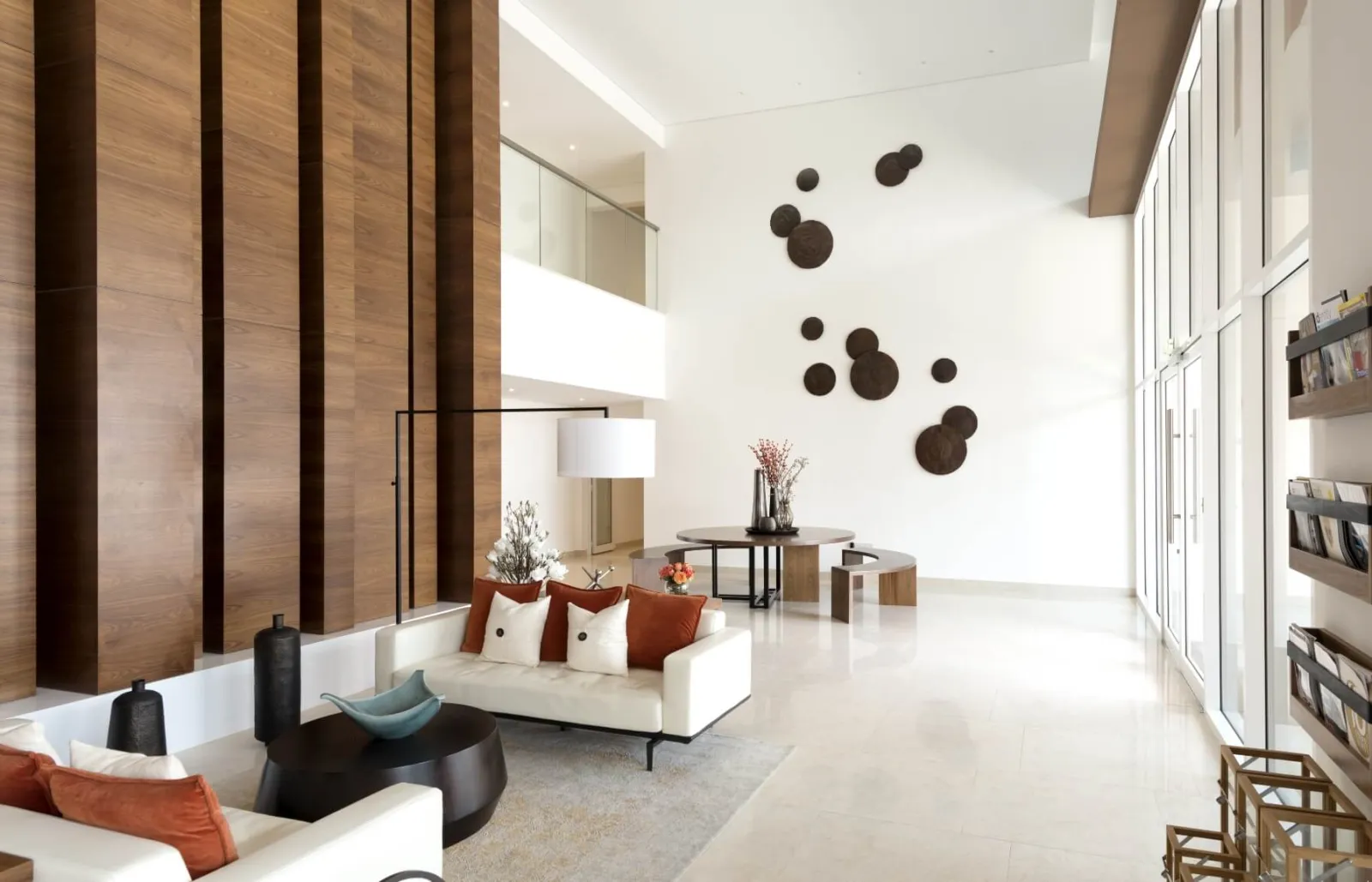

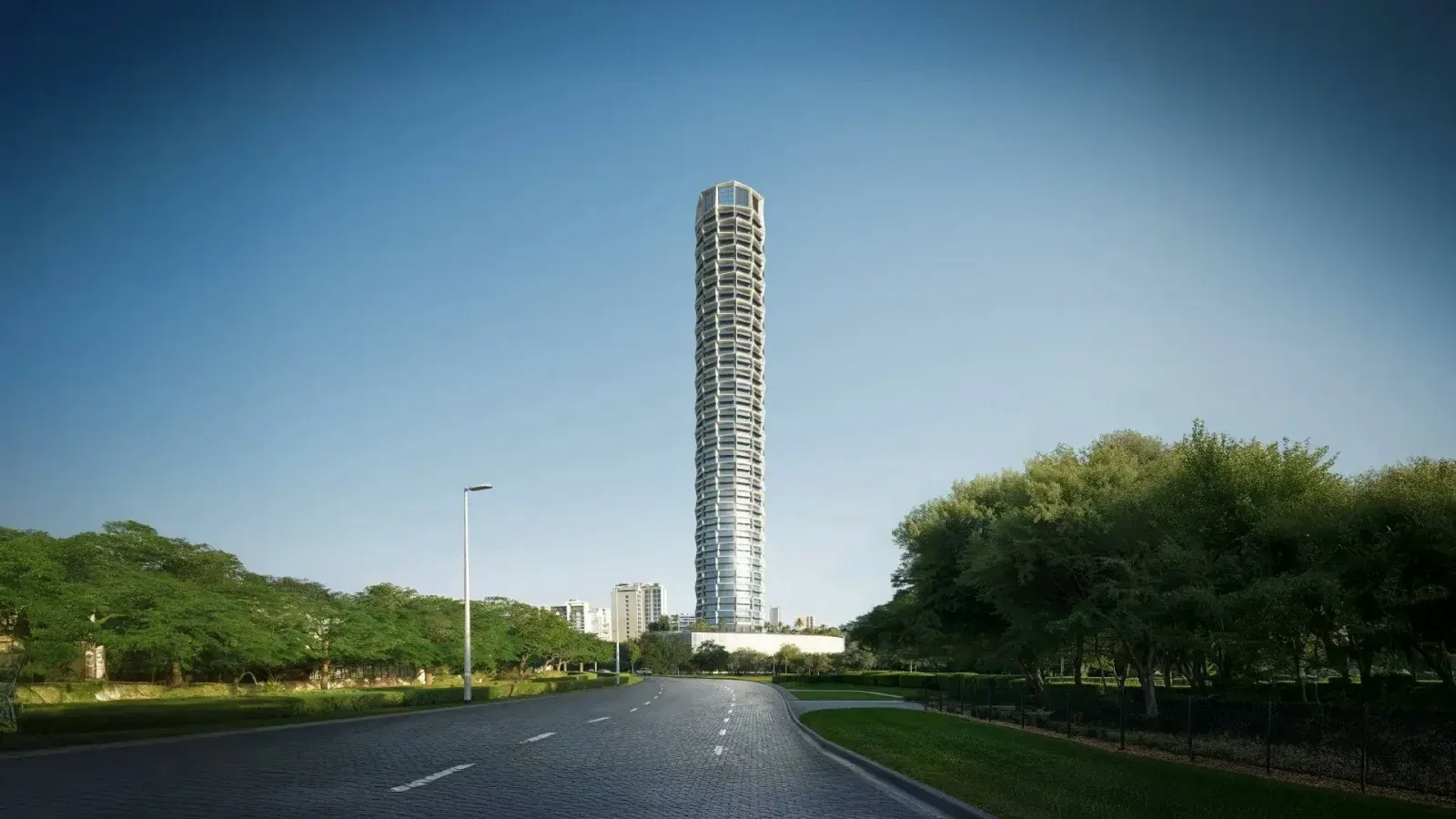

Binghatti Circle
Jumeirah Village Circle (JVC)
- Studio to 3-bedroom apartments
- Apartments
- Completion Q2 2027

UH By Ellington
Jumeirah Lake Towers (JLT)
- Studio to 3 bedrooms
- Apartments


Viewz by Danube
Cluster J, Jumeirah Lake Towers (JLT)
- Studio to 5-bedroom apartments
- Apartments
- Completion 2027
Frequently asked questions
How much deposit do I pay to rent in Dubai?
Commonly 5% of the annual rent for unfurnished homes and 10% for furnished homes. It is refundable at the end of the tenancy, less any damage.
Who pays the agent fee when renting in Dubai?
Usually the tenant, commonly 5% of the annual rent plus VAT.
What is Ejari?
Ejari is the Dubai Land Department system for registering tenancy contracts. Registration is mandatory and you need it to connect DEWA and sponsor family visas.
How many cheques do I pay rent with?
Typically one to four cheques a year. Some landlords accept more, often at a higher total rent.
Can my landlord increase the rent?
Only at renewal, with at least 90 days' notice, and within the cap set by the RERA rental index, which ranges from no increase to 20%.
Can my landlord evict me if they sell the property?
Selling does not end your lease; the buyer takes over the contract. To recover the home for a sale or own use, the landlord must give 12 months' notarised notice at the end of the contract.
What happens if I leave before my contract ends?
You usually pay a penalty set out in the contract, often one or two months' rent. Check the early termination clause before signing.
Who pays for maintenance in a rented home?
Major maintenance falls on the landlord unless agreed otherwise. Contracts often make tenants responsible for small repairs up to a set amount.
About this article

Area Guides Writer
Sham Desai writes DXB Propedia's area and lifestyle content, comparing Dubai communities on location, transport, schools, homes and everyday living.

Founder & Editor-in-Chief
Danish Desai is the founder and Editor-in-Chief of DXB Propedia, the mind behind the project. Danish set out to build an independent, source-checked…
Last reviewed . Fees and rules can change; confirm current figures with the authority named in each section. Read our editorial policy or meet the team.