International City
International City, Dubai International City
- Studio to 2-bedroom apartments
- Apartments
Nakheel
View project
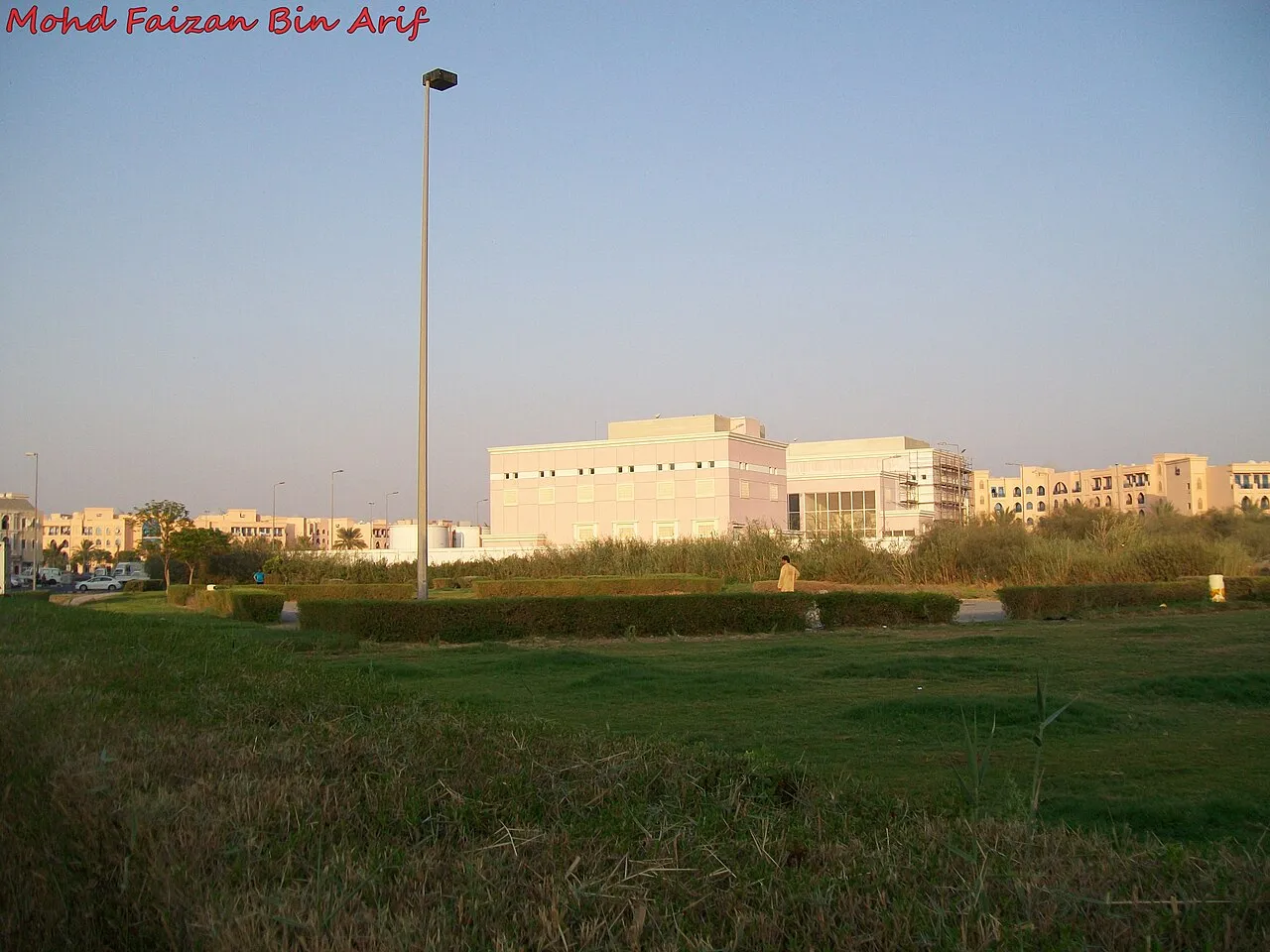
Photo: Bin Al Stroker · CC BY 3.0 · Wikimedia Commons
Dubai area guide
17 projects · 15 developers
17 projects documented
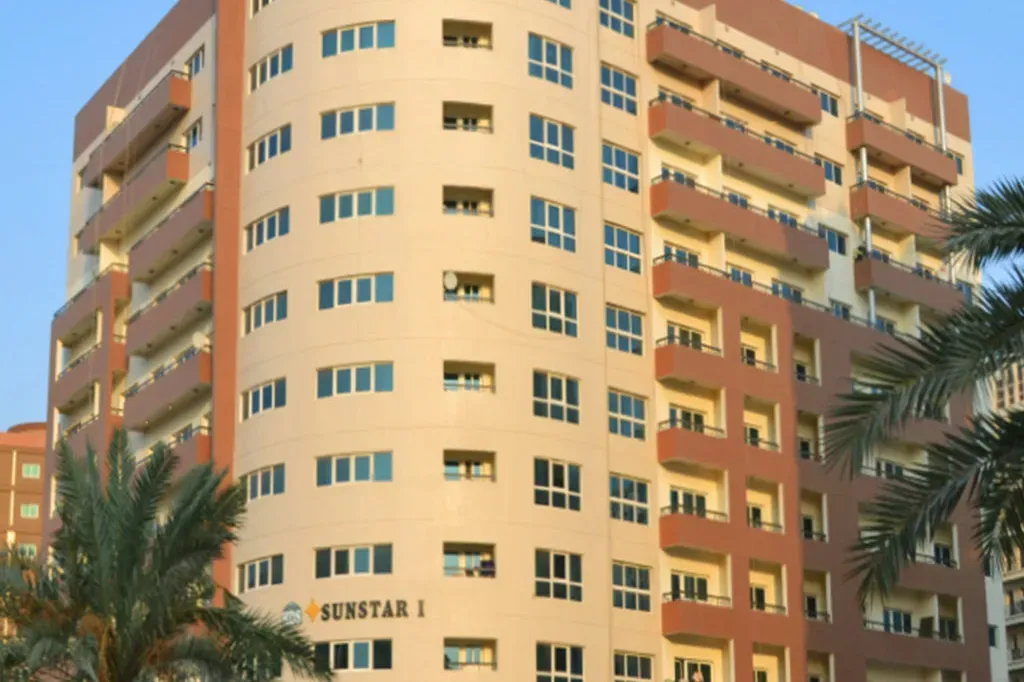
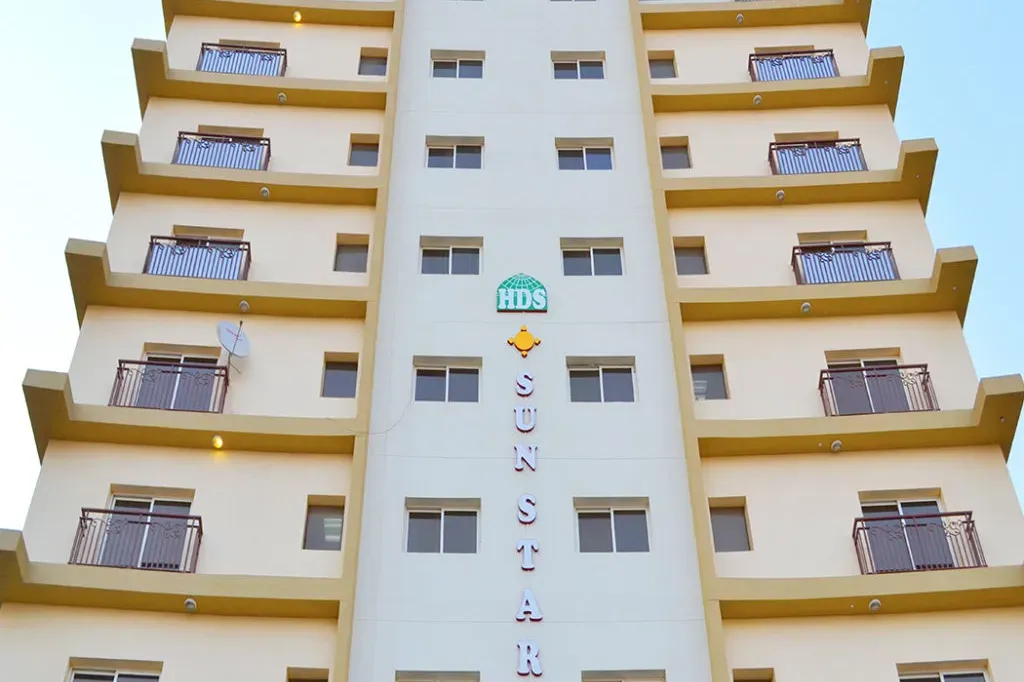
International City, Dubai International City
International City, Dubai International City
Central Business District, International City, Dubai International City
Central Business District, International City, Dubai International City
Central Business District, International City, Dubai International City
Greenwood, Dubai International City
Warsan Residential, Dubai International City
Warsan First, International City, Dubai International City
International City Phase 2, Dubai International City
International City is in Al Warsan, on the eastern side of Dubai, roughly 15 km from Downtown Dubai and close to Dubai International Airport. It sits between Dubai Silicon Oasis to the south, Al Warqa to the west and the Dubai Central Fruit and Vegetable Market at Al Aweer to the north-east. Most traffic arrives from Sheikh Mohammed Bin Zayed Road (E311) and Ras Al Khor Road. Google Maps and the Dubai Land Department both list the area under Al Warsan First, which is why searches for "Al Warsan International City" and "International City Phase 1" lead to the same place.
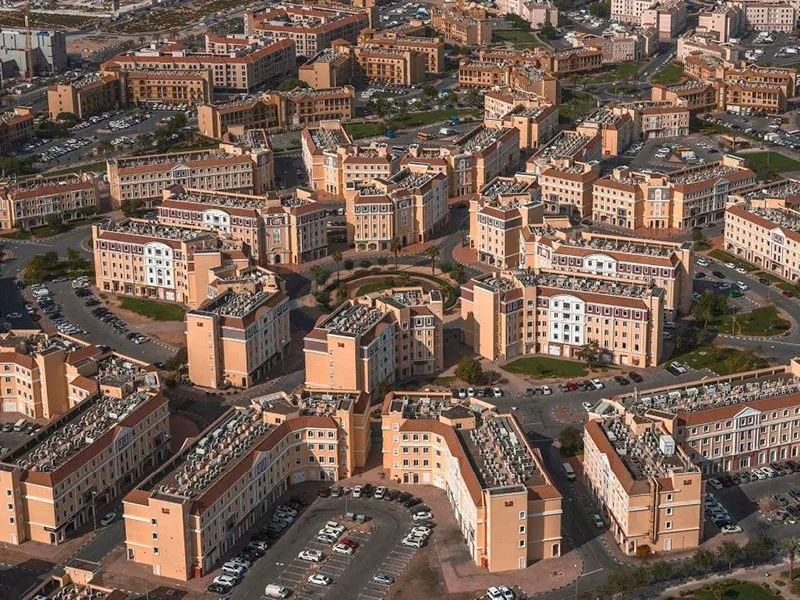
No. Despite the name, International City is a residential and commercial district inside the city of Dubai, not a separate city. Nakheel planned it in 2004 as a low-cost housing district for people working in Dubai, with a layout inspired by a Middle Eastern carpet: clusters of buildings arranged around green spaces and a central spine of shops and offices.
Phase 1, the original International City, is divided into ten clusters, each built in the architectural style of a country:
The Central Business District holds offices, banks, supermarkets and restaurants, and the Lake District adds mid-rise towers around artificial lakes. Later phases (International City Phase 2 and Phase 3, also called Warsan 4) extend the district with newer apartment buildings by several developers.
The housing stock is overwhelmingly apartments: studios and one-bedroom units dominate, with some two-bedroom flats in the newer phases and Lake District towers. Dubai Residential, the leasing arm of Dubai Holding, describes its own International City portfolio as more than 22,000 residences across ten themed precincts, mostly studios and one-bedroom homes from about 426 to 1,172 sq ft. On the edge of the district, Warsan Village (launched 2013, completed 2019) added 942 townhouses and 250 apartments.
Because it is freehold, any nationality can buy here. International City is one of the most affordable entry points to Dubai property, which is also why it attracts investors looking for rental yield rather than capital growth.
Dragon Mart, built north of the China Cluster and inspired by Beijing's Forbidden City, is one of the largest trading centres for Chinese goods outside mainland China. Dragon Mart 2, next to the original building, opened in December 2015. Day-to-day shopping is spread through the clusters (supermarkets, pharmacies, laundries and inexpensive restaurants), and larger malls are a short drive away in Dubai Festival City, Mirdif and Silicon Oasis.
Not yet. Residents currently rely on RTA buses to Rashidiya and Centrepoint metro stations on the Red Line, taxis and their own cars. The Dubai Metro Blue Line, announced by RTA for completion in 2029, will run through the district with stations at International City 1 and International City 2 & 3, then on to Dubai Silicon Oasis and Academic City. Once open, it should change daily commuting more than any other project in the area.
There are few schools inside the district itself. Families usually look at schools in Dubai Silicon Oasis (GEMS Wellington Academy, The Indian International School), Dubai Academic City and Mirdif, and should check current KHDA ratings before choosing. Several clinics and polyclinics operate inside the clusters; the nearest larger hospitals are in Silicon Oasis, Mirdif and Al Qusais.
It suits singles, couples and young families on a budget, people working in Deira, Silicon Oasis, Academic City or the airport, and investors who want an inexpensive rental unit. Its main advantages are price, central eastern location and everyday convenience.
International City is dense and busy, parking can be tight in older clusters, and building quality and upkeep vary from one owner association to the next. Buyers who want a quiet suburb, a large home or a metro station today will be happier elsewhere, at least until the Blue Line opens.
International City is in Al Warsan (Al Warsan First), in eastern Dubai, next to Dubai Silicon Oasis, Al Warqa and the Al Aweer fruit and vegetable market.
No. It is a residential and commercial district within the city of Dubai, built by Nakheel from 2004.
Its country-themed clusters (China, England, France, Greece, Italy, Morocco, Persia, Russia, Spain and Emirates), affordable apartments, and Dragon Mart, the large Chinese trading mall next to the China Cluster.
Not yet. The Dubai Metro Blue Line, planned by RTA for 2029, will have stations at International City 1 and International City 2 & 3. Until then, buses connect to Red Line stations.
Phase 1 has ten country clusters plus the Central Business District and the Lake District. Phases 2 and 3 extend the district with newer buildings.
Nakheel planned and built International City. Later phases include buildings by other developers, and Dubai Holding's Dubai Residential leases a large part of the stock.
Yes. Buyers of any nationality can own apartments in International City.
Mostly studios and one-bedroom apartments in low-rise buildings, some two-bedroom units, and townhouses in Warsan Village on the edge of the district.